Death By Audio shrinks the Fuzz War circuit into its smallest pedal yet
The $145 Mini Fuzz War keeps the full-size pedal’s Fuzz, Tone and Volume controls in a three-inch enclosure, with a 300-unit Combat Green edition reserved for Reverb.
· Edited by Peter Luha

Credit: Death By Audio (via source)
Death By Audio has released the Mini Fuzz War, a palm-sized version of its flagship fuzz pedal that the company says uses the same circuit as the full-size model. The new enclosure measures 3.0 by 2.27 by 2.2 inches and weighs 6.9 ounces, giving crowded boards and fly rigs a smaller route to the company’s high-output fuzz sound.
The control layout remains deliberately familiar: Fuzz moves from boost and low-gain drive through distortion to blown-out fuzz, Volume sets output level, and Tone uses the wide multi-curve filter associated with the original Fuzz War. Death By Audio also retained full-size audio and power jacks rather than moving to side compromises or adapter formats, and the footswitch provides true bypass.
Power requirements are unusually modest for a modern compact pedal. The Mini Fuzz War takes a standard 9V DC, center-negative supply and draws only 1mA. The company’s official page lists the standard model at $145, while a separate Combat Green edition is limited to 300 units through Reverb.
The important claim is not that the Fuzz War has been revoiced for a smaller market, but that its circuit and range have been preserved in a much tighter footprint. For bassists, guitarists and synth users who already know the original, that makes the new version a practical board-space decision rather than a reduced-feature introduction.
Why it matters
It gives players the established Fuzz War circuit in a genuinely compact format without dropping the wide tone control or full-size connections.
From Guitar News to Guitar Progress
Discover it here. Learn how it works. Practice it until it's yours.
“Play a drone note. Improvise over it and hear each interval you create against that root. Name them.”
Related

Tom DeLonge brings his Box Car Racer “I Feel So” Strat back in a 500-guitar Fender run
The black-and-white racing-stripe model revives a one-off 2002 Custom Shop prototype with an Invader humbucker, serialized neck plate and late-March 2027 delivery.

SAITO GUITARS builds nine KID-order S-Series models around Indian rosewood necks
The S-622 and S-622CS batch pairs Indian rosewood necks and fingerboards with SSH pickup layouts, Luminlay markers and model-specific finishes.
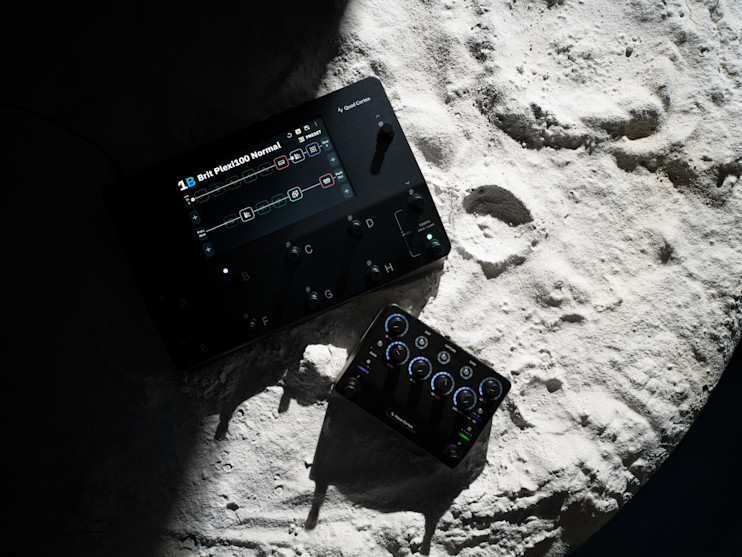
Neural DSP gives Quad Cortex and Nano Cortex a Black-on-Black limited run
The two Cortex hardware formats keep their established feature sets while moving into short-run all-black finishes, with the Quad Cortex capped at 1,000 units worldwide.
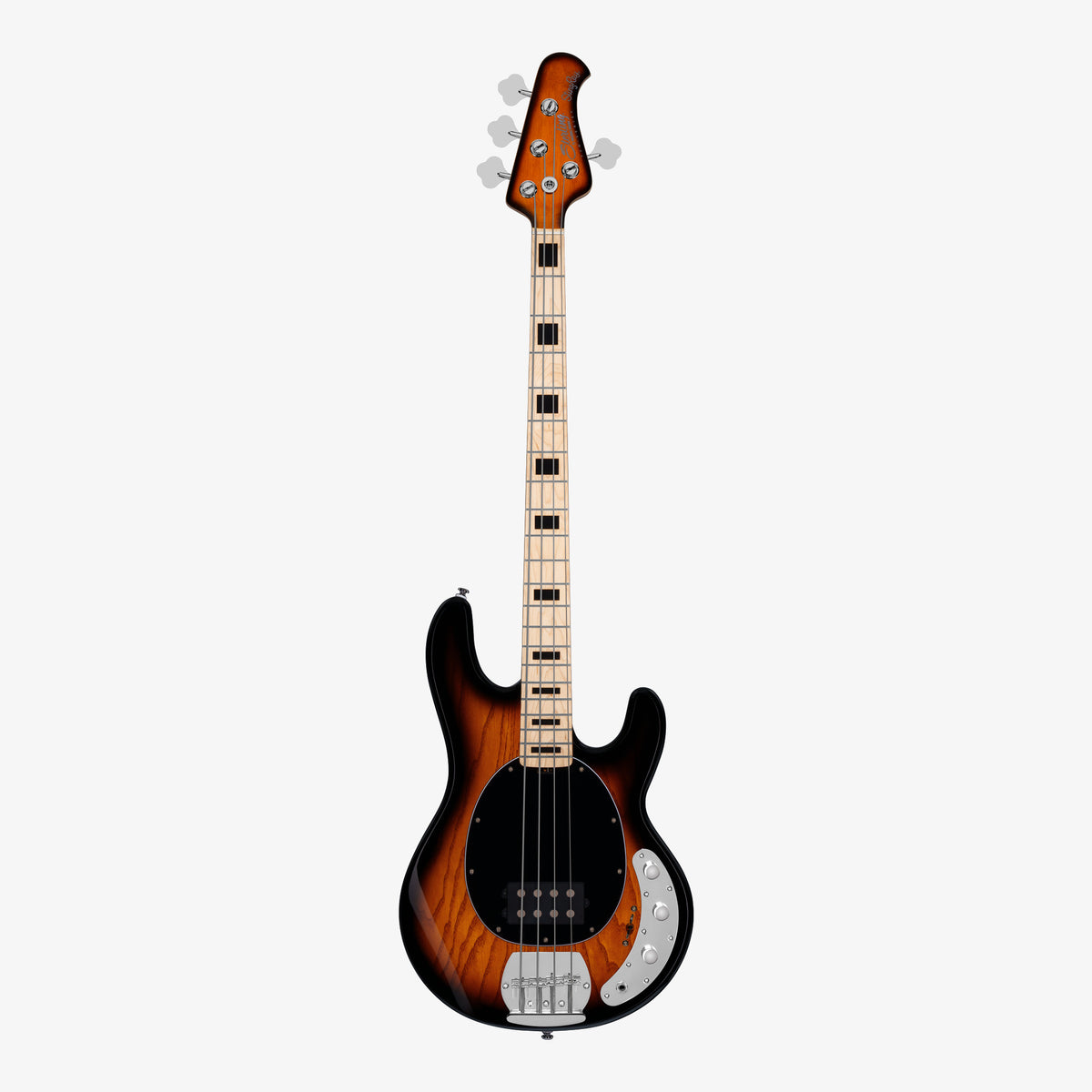
Sterling expands the SUB StingRay line with switchable Ray4X and Ray5X Plus basses
The new four- and five-string StingRay Plus models add a series/parallel/single-coil selector, active boost and ash-veneer finishes to the SUB range.