Epiphone turns Joe Bonamassa’s Principal Skinner into an $849 limited-run Les Paul
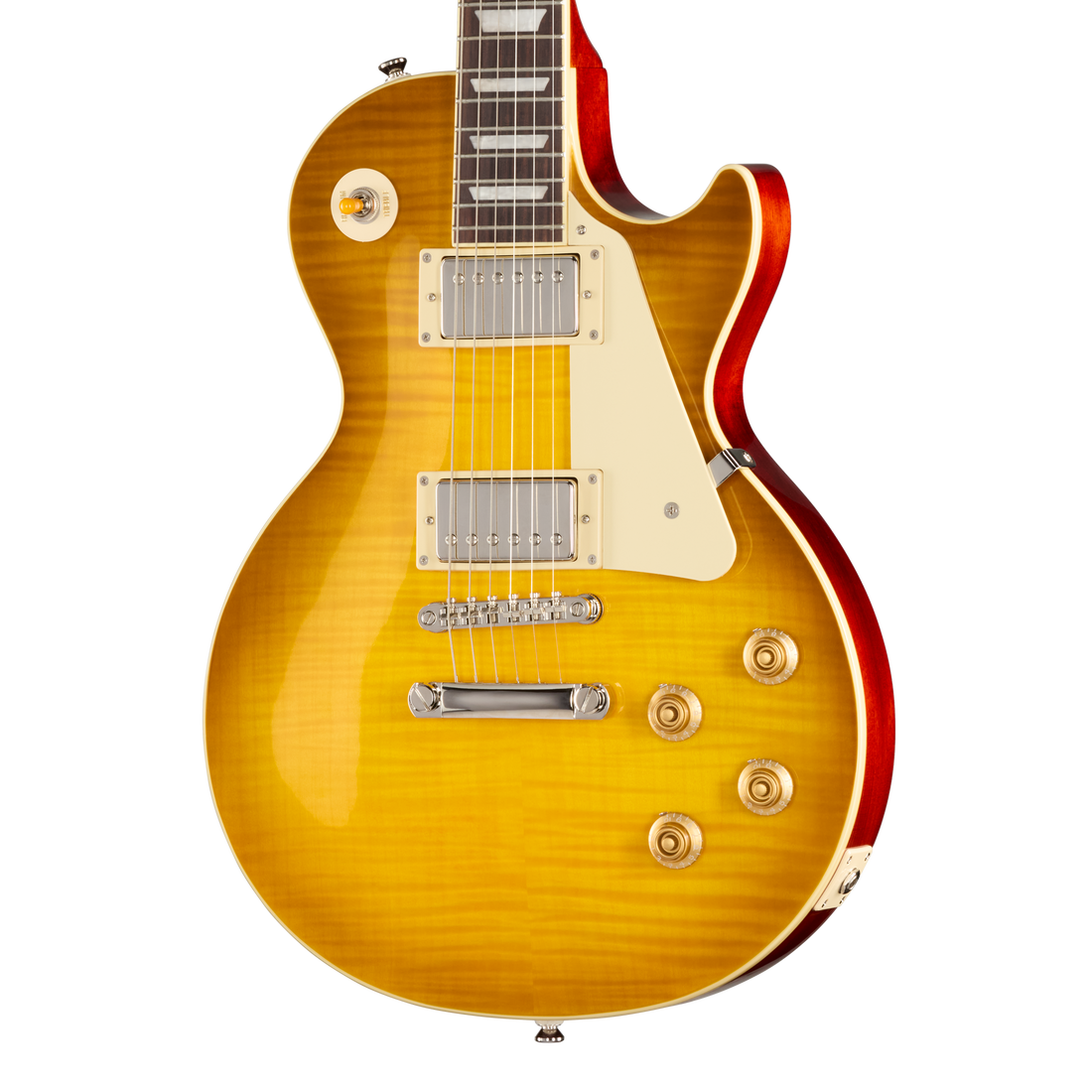
The Skinnerburst ’59 Les Paul Standard pairs a Dirty Lemon flame-maple look with ProBucker pickups, 1950s wiring and a Nerdville hard case.
· Edited by Peter Luha
Credit: Epiphone (via source)
Epiphone has released a limited-edition Joe Bonamassa Skinnerburst ’59 Les Paul Standard, recreating the 1959 Gibson that Bonamassa calls “Principal Skinner.” The model is finished in Dirty Lemon over a flame-maple veneer, with a Faded Cherry back intended to echo the ageing and character of the original instrument.
The construction follows the familiar Les Paul recipe: a mahogany body, maple cap and glued-in mahogany neck. Epiphone uses a Custom ’59 Rounded C profile, a bound rosewood fingerboard with 22 medium-jumbo frets and a 24.75-inch scale. A Graph Tech nut, Epiphone Deluxe tuners and LockTone bridge and tailpiece complete the hardware package.
Electronics are built around a ProBucker 3 at the neck and a ProBucker Custom at the bridge. The two-volume, two-tone control layout uses 1950s wiring, CTS potentiometers and Mallory capacitors. Each guitar ships with a certificate of authenticity and a brown-and-pink hard case carrying Bonamassa’s Nerdville graphics.
The Skinnerburst is available worldwide through authorised dealers, Gibson Garage locations and Epiphone’s own store. The official Bonamassa store lists it at $849.99, positioning the guitar as a playable signature model rather than a museum-grade Custom Shop replica.
Credit: YouTube
Why it matters
Bonamassa’s original Skinnerburst is one of the most closely watched ’59 Les Pauls, and this version puts its visual and playing cues into a sub-$1,000 production guitar with a hard case.
From Guitar News to Guitar Progress
Discover it here. Learn how it works. Practice it until it's yours.
“Start at the quietest possible volume. Build to the loudest. Take the full 5 minutes to get there.”
Sources
- https://www.gibson.com/en-eu/blogs/gibson-gazette/epiphone-announces-limited-edition-joe-bonamassa-skinnerburst-59-les-paul-standard(primary)
- https://www.gibson.com/products/epiphone-joe-bonamassa-skinnerburst-59-les-paul-standard-dirty-lemon-limited
- https://shop.jbonamassa.com/collections/music-equipment-guitar/products/2026-joe-bonamassa-skinnerburst-59-epiphone-les-paul-standard-w-case-includes-two-meet-greets
Related

SAITO GUITARS builds nine KID-order S-Series models around Indian rosewood necks
The S-622 and S-622CS batch pairs Indian rosewood necks and fingerboards with SSH pickup layouts, Luminlay markers and model-specific finishes.
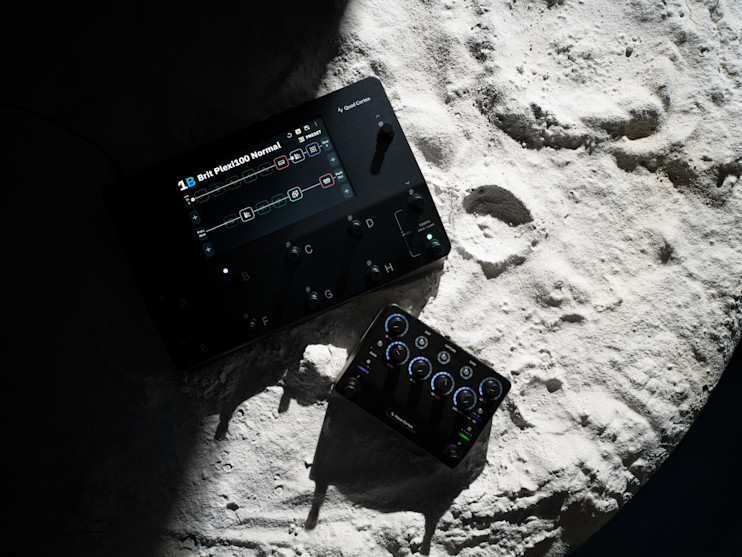
Neural DSP gives Quad Cortex and Nano Cortex a Black-on-Black limited run
The two Cortex hardware formats keep their established feature sets while moving into short-run all-black finishes, with the Quad Cortex capped at 1,000 units worldwide.
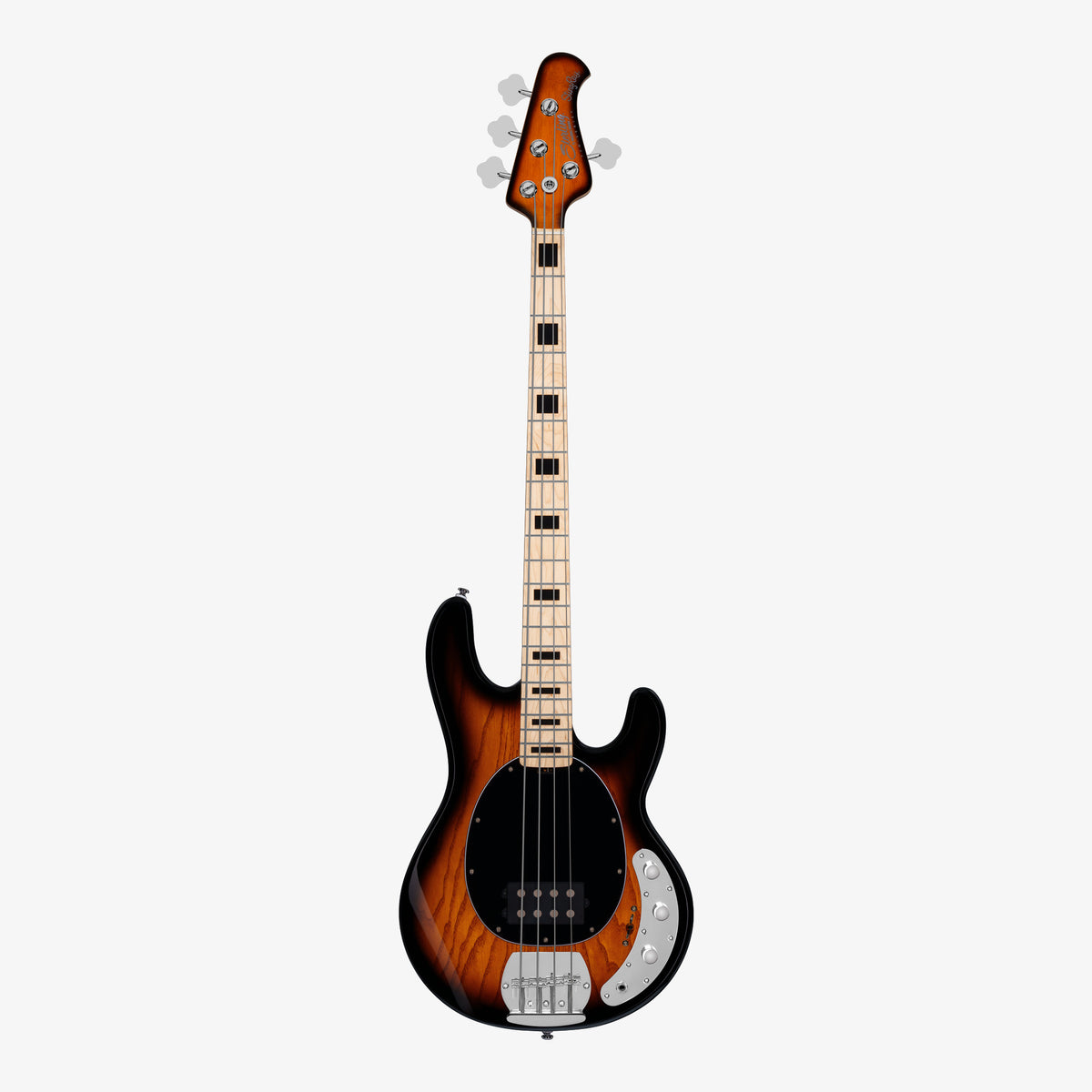
Sterling expands the SUB StingRay line with switchable Ray4X and Ray5X Plus basses
The new four- and five-string StingRay Plus models add a series/parallel/single-coil selector, active boost and ash-veneer finishes to the SUB range.

Fender and Nitro turn Player II Strats and Teles into a limited snowboarding collaboration
The cross-brand collection pairs flame-finished Player II guitars with a co-branded Nitro Team snowboard and availability through select retailers.