Gretsch wraps a limited-edition Penguin in Light Blue Pearl with a String-Thru Bigsby
The G6134T-58 Limited Edition Penguin pairs a chambered mahogany body and TV Jones Ray Butts Ful-Fidelity Filter'Tron pickups with a rarely seen string-through Bigsby, listing at $3,799.99.
· Edited by Peter Luha

Credit: Gretsch (via source)
Gretsch added another limited-edition Penguin to the Professional Collection on 19 August, this one finished in a bright Light Blue Pearl that is doing most of the talking. Under the paint it is a mahogany body with an arched maple top and vintage-style chambering, a mahogany neck, and a 12-inch-radius ebony fingerboard with 22 medium jumbo frets, mother-of-pearl Neo Classic thumbnail inlays and Luminlay side dots.
The pickups are TV Jones Ray Butts Ful-Fidelity Filter'Trons, wound from Ray Butts' own notes and left unpotted, which Gretsch says gives a more open, three-dimensional response with a tighter low end than a modern Filter'Tron. Hardware includes a Space Control bridge on a pinned ebony base, Grover Imperial tuners and, the detail that sets this one apart, a String-Thru Bigsby B3CP rather than the usual hinged tailpiece.
It is a limited run at $3,799.99 and ships with a Gretsch deluxe hardshell case. Gretsch has leaned on the Penguin and Falcon for these short-run color drops all year, including an Emerald Night pair earlier in 2026.
Credit: Gretsch Guitars (via source)
Why it matters
The Penguin is Gretsch's single-cut showpiece, and limited color runs like this are how the brand keeps it in the conversation between full model updates. The string-through Bigsby is the more interesting change, promising firmer tuning stability and attack than a standard Bigsby without giving up the vibrato.
From Guitar News to Guitar Progress
Discover it here. Learn how it works. Practice it until it's yours.
“Play a drone note. Improvise over it and hear each interval you create against that root. Name them.”
Related

SAITO GUITARS builds nine KID-order S-Series models around Indian rosewood necks
The S-622 and S-622CS batch pairs Indian rosewood necks and fingerboards with SSH pickup layouts, Luminlay markers and model-specific finishes.
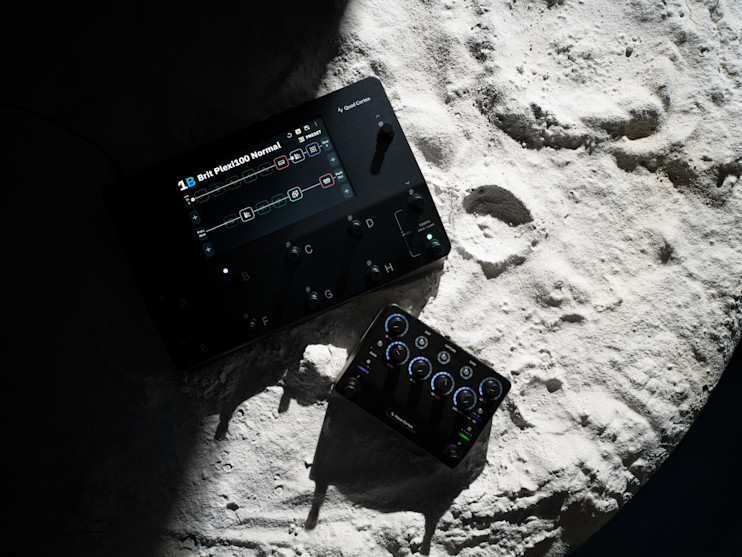
Neural DSP gives Quad Cortex and Nano Cortex a Black-on-Black limited run
The two Cortex hardware formats keep their established feature sets while moving into short-run all-black finishes, with the Quad Cortex capped at 1,000 units worldwide.
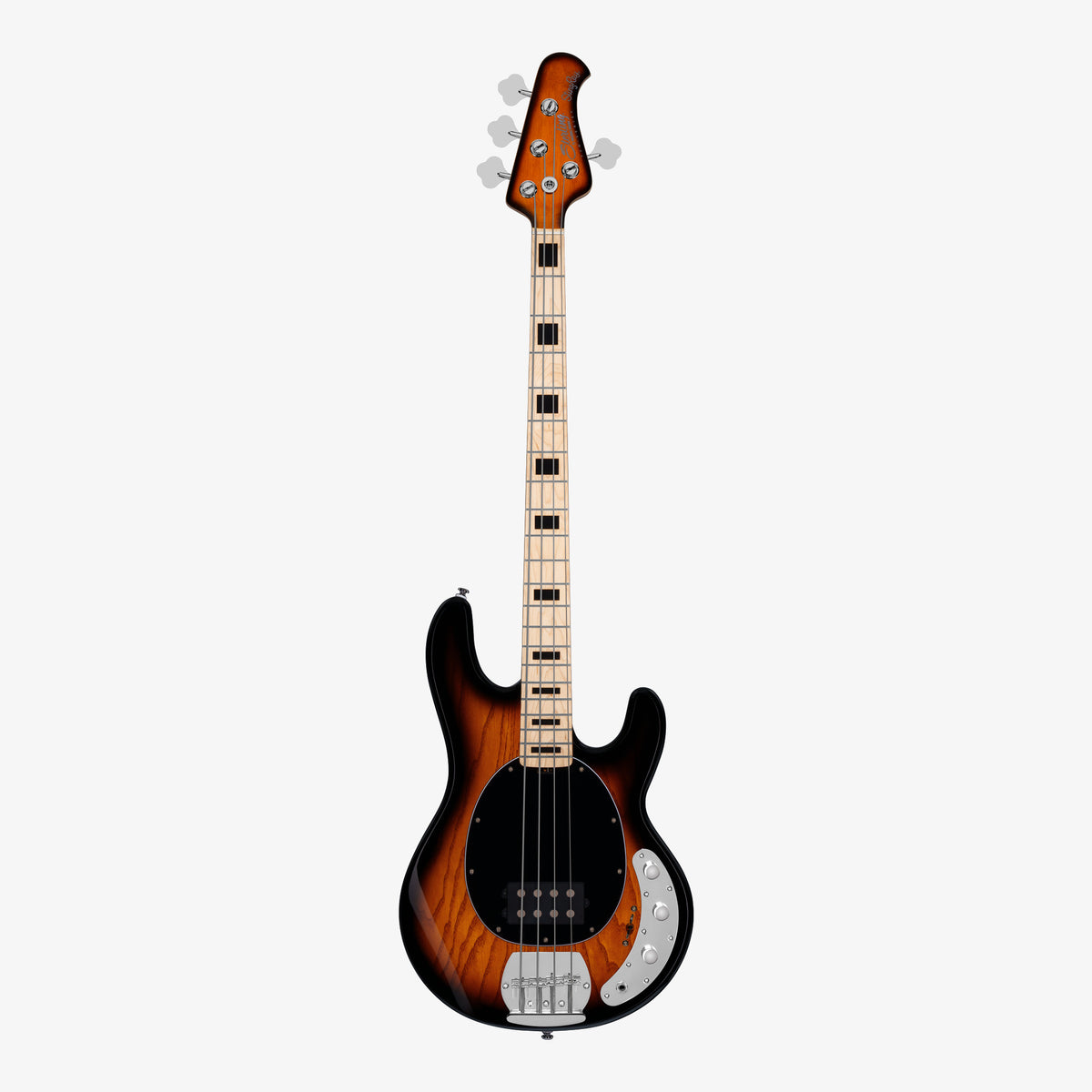
Sterling expands the SUB StingRay line with switchable Ray4X and Ray5X Plus basses
The new four- and five-string StingRay Plus models add a series/parallel/single-coil selector, active boost and ash-veneer finishes to the SUB range.

Fender and Nitro turn Player II Strats and Teles into a limited snowboarding collaboration
The cross-brand collection pairs flame-finished Player II guitars with a co-branded Nitro Team snowboard and availability through select retailers.