Harley Benton puts a rechargeable guitar pedalboard and bass rig into two FLY-STOMP boxes
The €59 Guitar and €69 Bass models use three footswitches and built-in batteries, but split into purpose-built effect chains and connections for each instrument.
· Edited by Peter Luha
Credit: Harley Benton (via source)
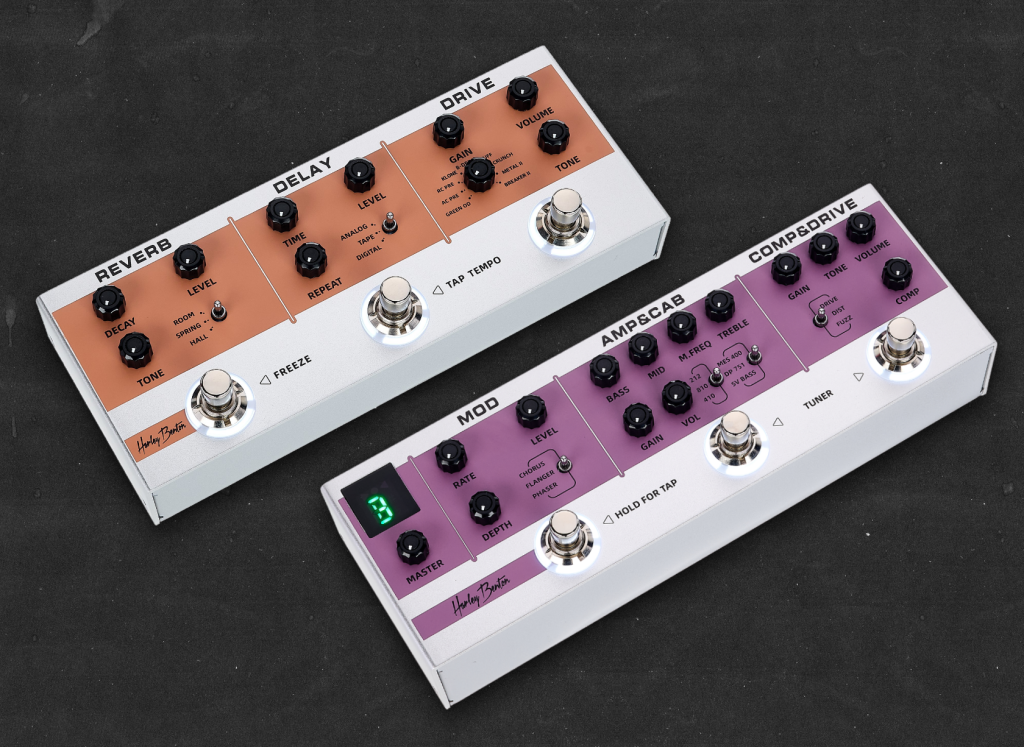
Harley Benton has introduced the FLY-STOMP Guitar and FLY-STOMP Bass, two compact digital multi-effects units designed to work without an external power supply. Each uses a rechargeable 500 mAh lithium battery, charges over USB-C and is rated by the company for more than five hours of operation. Both are housed in metal, use three footswitches with status LEDs and are available now through Thomann.
The orange FLY-STOMP Guitar costs €59 and concentrates on three familiar pedalboard sections. Its drive module offers nine overdrive, distortion and fuzz voices; delay covers analog, tape and digital types with tap tempo; and reverb supplies studio, spring and concert modes plus a Freeze function. It also includes a noise gate and stereo quarter-inch outputs. The 200 x 80 x 52 mm unit weighs 535 g and operates at 24-bit/44.1 kHz.
The lilac FLY-STOMP Bass costs €69 and follows a different signal path rather than repackaging the guitar version. Compression and three drive modes feed three amp simulations and three cabinet choices, followed by chorus, flanger or phaser. A three-band EQ with adjustable mid frequency, tuner, balanced XLR output, standard output, auxiliary input, headphone connection and USB Audio/OTG make it suitable for direct recording, streaming or a PA feed.
That separation matters more than the shared enclosure. Guitarists get immediate access to gain, delay and ambience without menus, while bassists receive amp-and-cab processing and direct-output tools instead of delay and reverb. The low prices place both units below many single-purpose pedals, but the practical distinction is the instrument-specific workflow: neither model asks players to navigate a large preset system to reach its core controls.
Why it matters
The pair brings rechargeable, instrument-specific multi-effects into an unusually low price bracket without forcing guitar and bass players into the same signal chain.
From Guitar News to Guitar Progress
Discover it here. Learn how it works. Practice it until it's yours.
“Land on a chord tone on every beat 1. Everything in between is entirely up to you.”
Sources
- https://harleybenton.com/backstage/launches/fly-stomp-guitar-bass/(primary)
- https://harleybenton.com/product/harley-benton-fly-stomp-guitar/
- https://harleybenton.com/product/harley-benton-fly-stomp-bass/
- https://www.guitarristas.info/noticias/harley-benton-fly-stomp-guitar-bass-multiefectos-bateria-59-69/12242
Related

Manson gives Graham Coxon two limited-run signature guitars built for “infinite mischief”
The UK-built GC-1 and GC-3 pair swamp-ash T-style bodies with custom humbuckers and Sustainiac systems, with only 10 examples of each in the first edition.
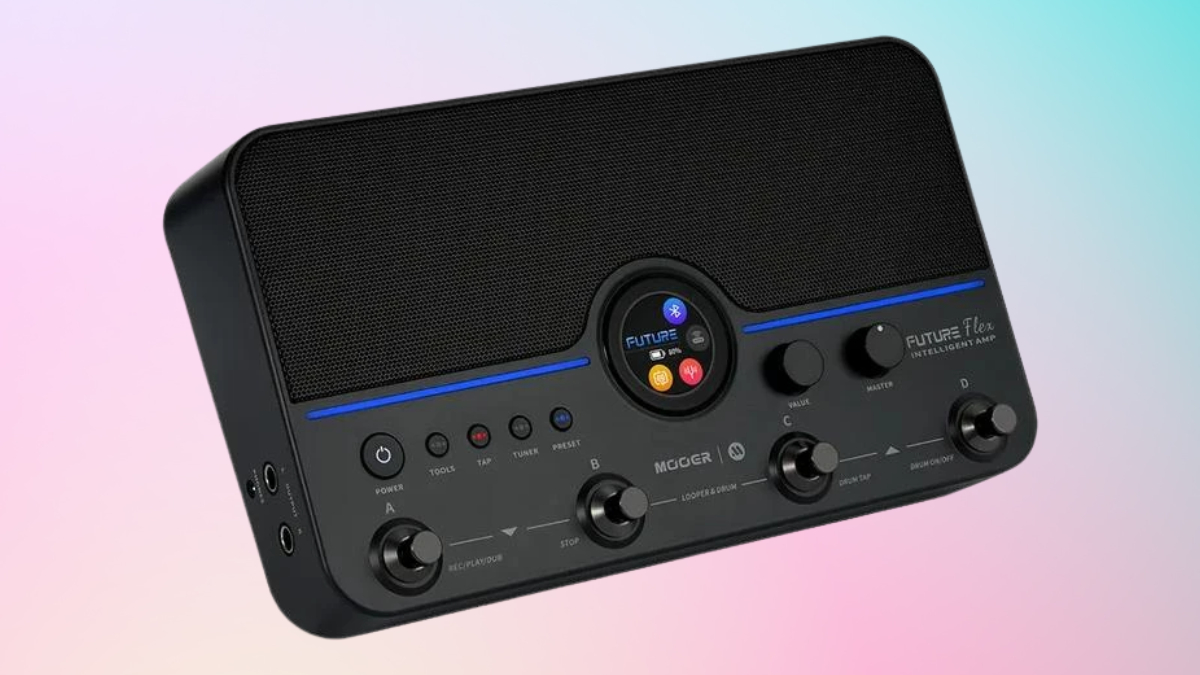
Mooer Future Flex combines NAM A2, AI tone tools and stereo speakers in a portable guitar rig
Mooer's new £199 UK-market unit puts amp modeling, rechargeable stereo amplification, looping and a microphone input into one floor-controlled device.

Normal Devices Whether puts eight-voice granular processing in a pedalboard-friendly stereo box
The $399 processor combines three capture modes, reverb, filtering, tape-style degradation and deep MIDI or CV control.
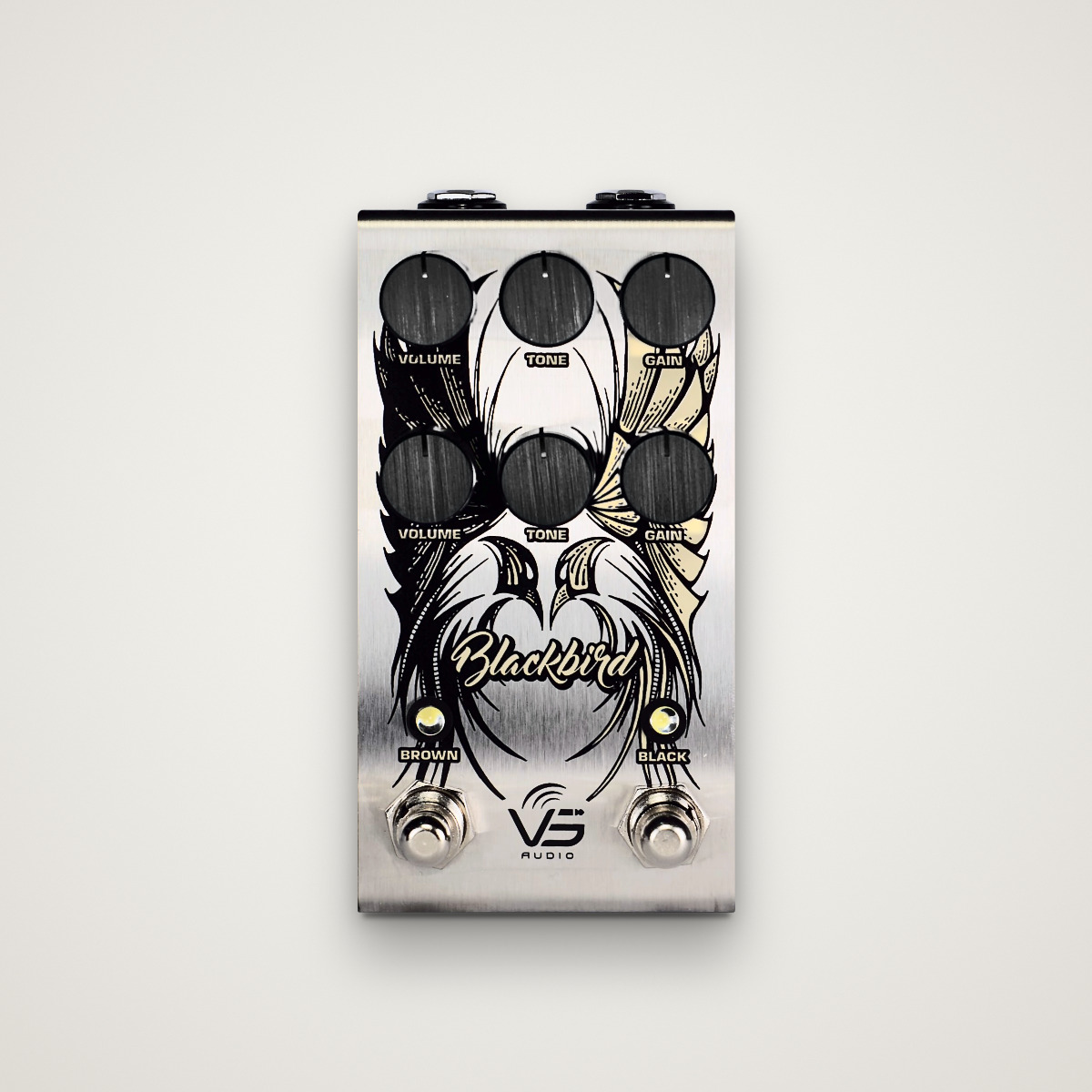
VS Audio BlackBird MkII turns its Brownface and Blackface voices into stackable channels
The Greek builder’s €239 preamp drive replaces the original selector with two independently footswitchable JFET channels.