Ovation brings the Viper electric guitar back in two 60-piece editions
The 1970s solid-body returns with Lace Sensor humbuckers, coil splitting and a choice of hardtail or tremolo hardware.
Credit: Ovation (via source)
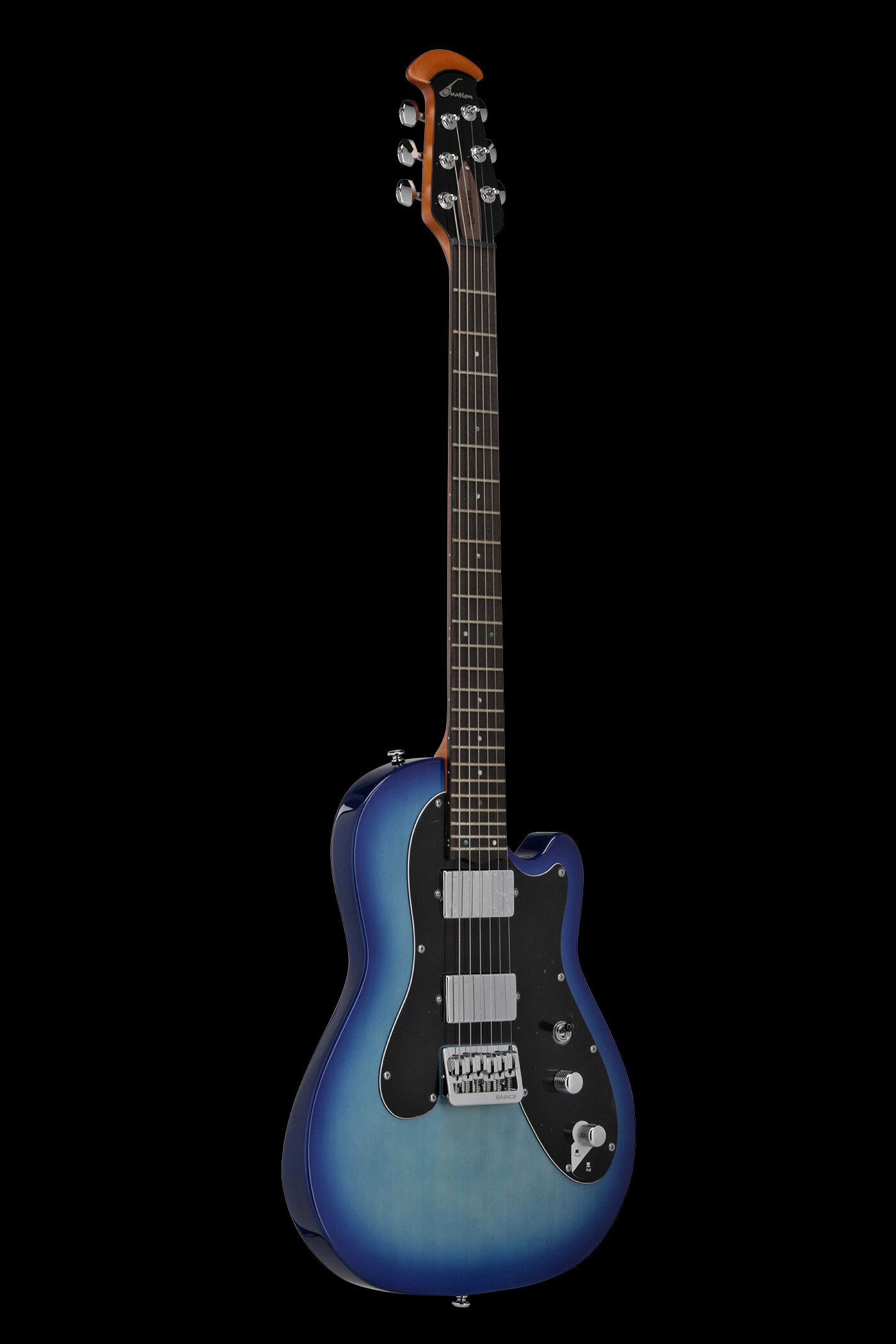
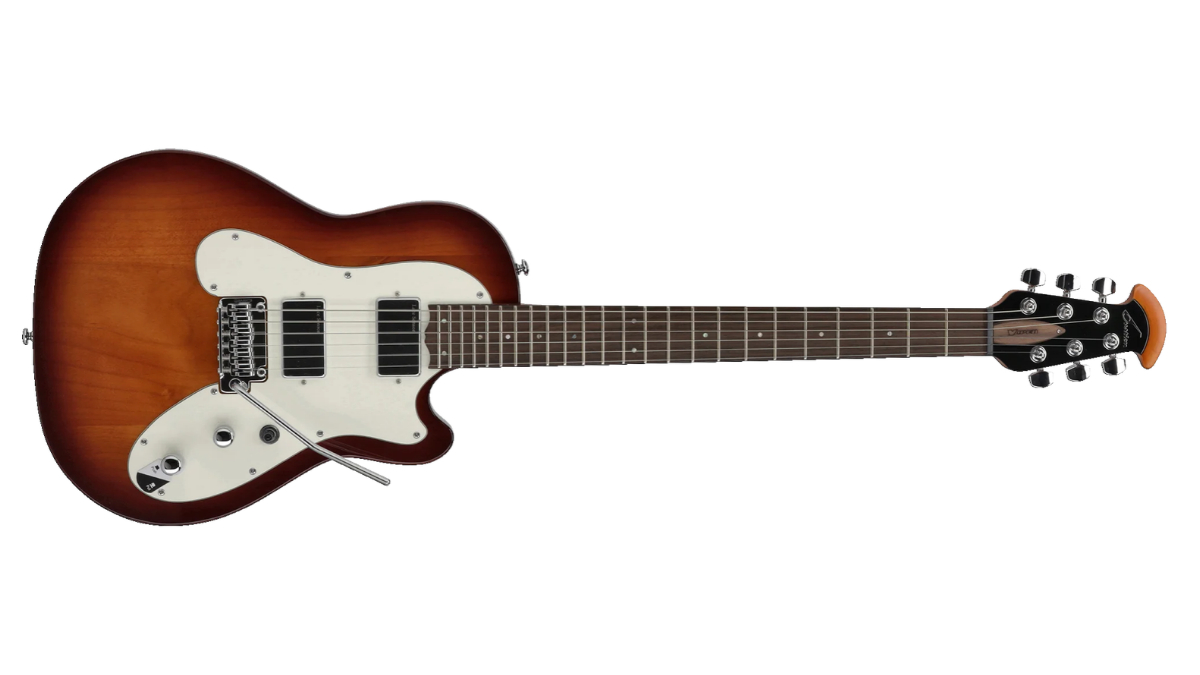
Ovation has revived the Viper, returning to solid-body electrics with two limited editions of a model first introduced in the mid-1970s. The Viper IV-1-G and Viper IV-DTD-G are capped at 60 instruments each, tying the run to the company’s 60th anniversary.
Both versions use a 25.5-inch scale, a bolt-on maple neck, Java rosewood fingerboard and 24 frets. Their USA-made Lace Sensor Hot Gold Dually humbuckers feed a master volume, master tone with push-pull coil split and a three-way selector. Ovation also includes a Viper gig bag with each guitar.
The split comes in the body and bridge. The IV-1-G has an alder body and Babicz FCH-2 Point full-contact tremolo, while the IV-DTD-G pairs a basswood body and maple veneer with a Babicz Fixed 6 hardtail. Ovation lists both at a €1,194 suggested retail price on its European site; no verified US-store price was published on the pages checked.
The original Viper is one of the less obvious branches of Ovation history, overshadowed by the round-back acoustics that defined the brand. Bringing it back as a compact anniversary run gives players a genuinely different catalog option rather than another finish update: familiar full-scale construction, modern switching and two sharply separated bridge choices in a body shape that has been absent for years.
Credit: Ovation (via source)
Why it matters
Ovation’s return to solid-body electrics revives a distinctive 1970s design, and the combined 120-instrument run makes this more than a routine catalog refresh.
From Guitar News to Guitar Progress
Discover it here. Learn how it works. Practice it until it's yours.
“While playing simple chords, check for tension in your shoulders, neck, and jaw. Release it all. Then play again.”
Sources
Related
Gibson Turns the Heartbreakers’ Winged Logo Into a 250-Guitar Flying V Run
The Tom Petty Flying V 50th Anniversary spans five finishes, 70s Tribute humbuckers and just 50 examples of each color.
PRS Plants a Flag in Modern Metal With the Four-Model Tekton Family
The US-built bolt-on range brings PRS’s thinnest production neck and body, stainless-steel frets and new Stylus pickups voiced for digital rigs.
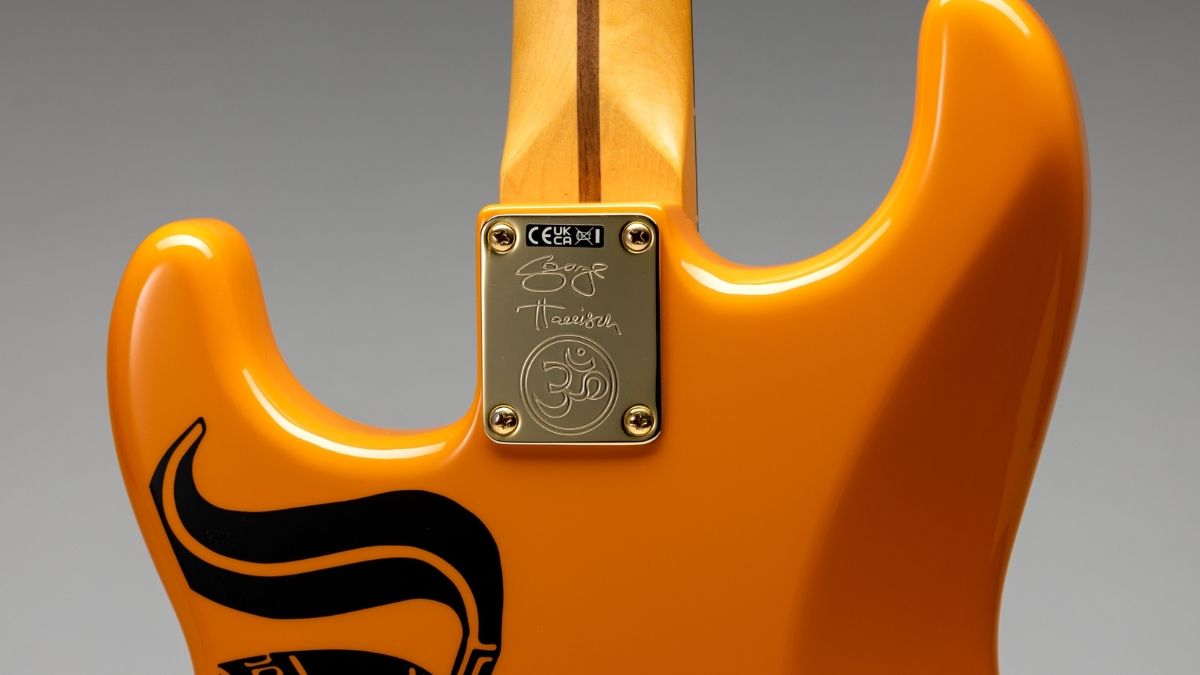
Fender’s George Harrison Dark Horse Stratocaster brings a Japan-only tribute to players
The ¥198,000 model pairs familiar Stratocaster hardware with Dark Horse Records graphics, three finishes and a tightly limited Japanese rollout.
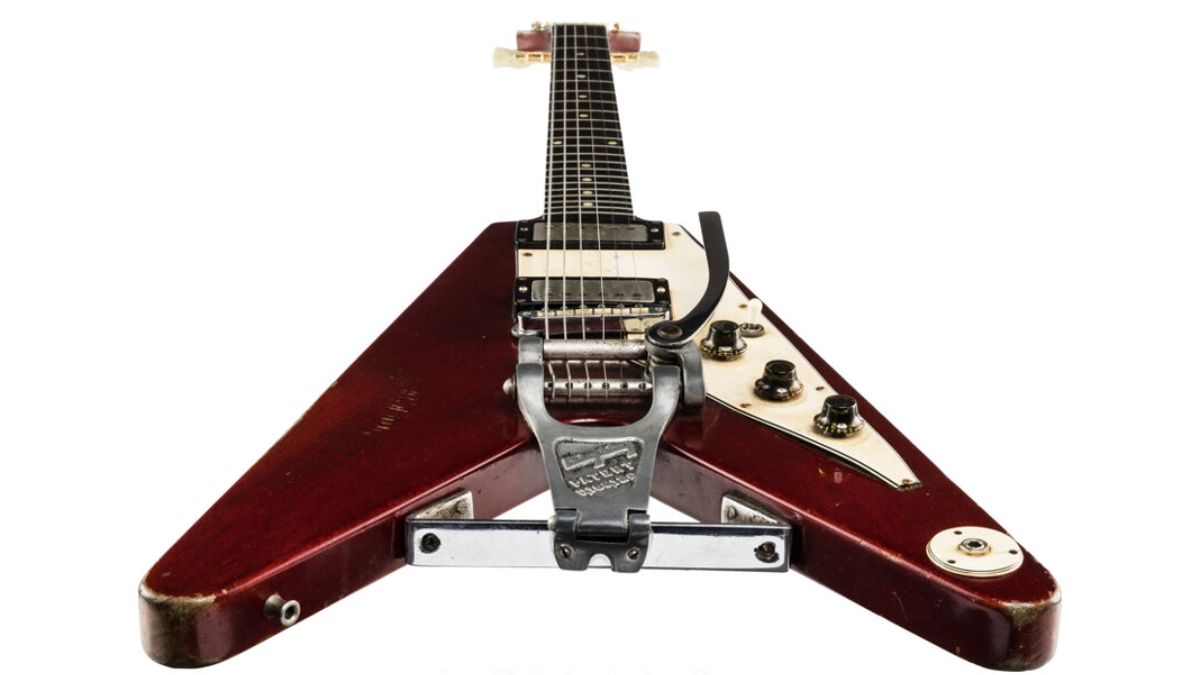
Lonnie Mack’s ‘Number 7’ Flying V and Magnatone rig sell for $550,000
The blues-rock pioneer’s lifelong 1958 Gibson and 1962 amplifier shared the spotlight with a record-setting non-celebrity 1959 Les Paul.