Pedal Pawn’s first wah is built for fuzz, drive and two million sweeps
The UK builder’s Say Wah pairs a hand-wound inductor with a custom-taper CTS pot and a rebuilt treadle enclosure.
· Edited by Peter Luha
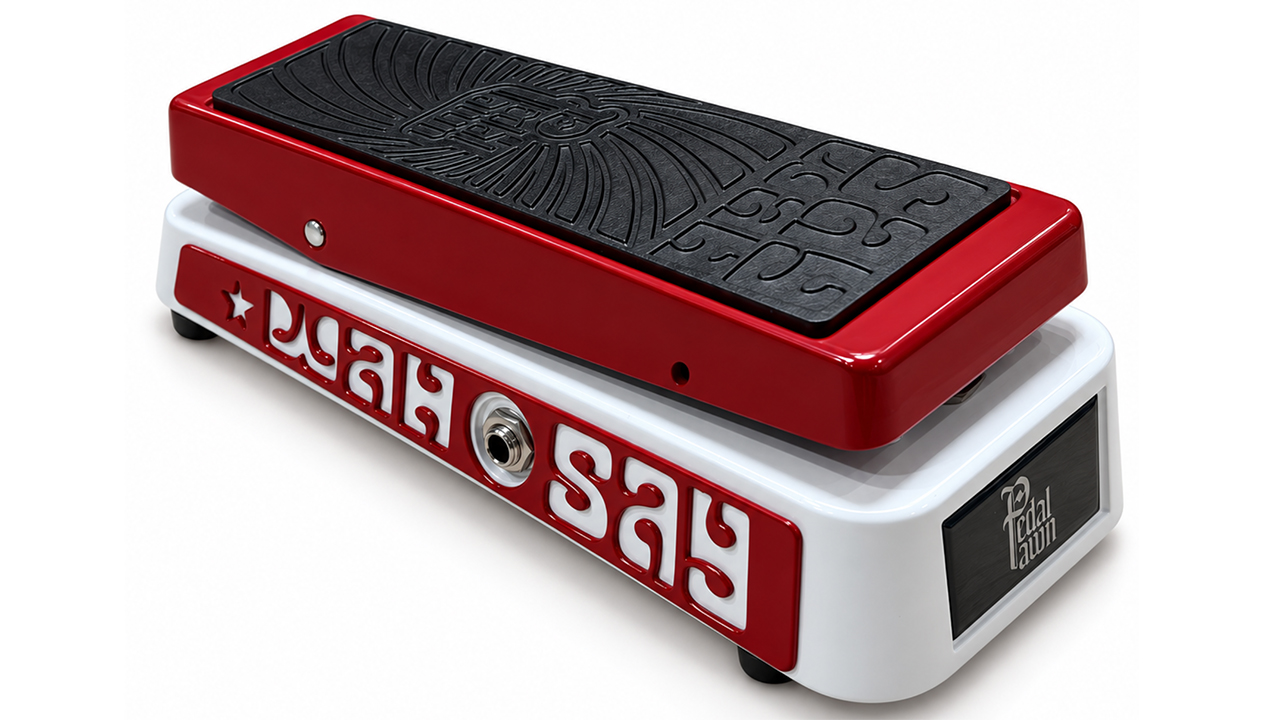
Credit: Pedal Pawn (via source)
Pedal Pawn has released the Say Wah, its first treadle wah and a £327 attempt to make the circuit behave as comfortably with saturated rigs as it does into a clean amplifier. The UK-built pedal uses a hand-wound custom inductor, a bespoke PCB and the company’s CTS-made 100K McCon-O-Pot II. Pedal Pawn rates that pot for two million cycles, a practical claim aimed at the component that sees the most mechanical wear in a wah.
The circuit is true bypass and can run from a 9V DC supply or battery. Each unit is assembled in the UK inside a rebuilt donor shell, so the familiar treadle format is retained while the electronics and sweep are Pedal Pawn’s own. The company says the voicing was developed to remain vocal and usable with fuzz and overdrive rather than thinning out or becoming piercing as gain rises.
Guitar World reports that the concept dates back to 2020, making this a long-gestating addition rather than a fast extension of the catalog. The first production units are shipping, with the remaining launch stock expected to follow within a week. For players who stack vintage-style fuzz with a wah, the product’s central promise is not a new control layout but a carefully chosen sweep and component set that stays musical under gain.
Credit: YouTube
Why it matters
A boutique builder known for vintage-inspired gain has addressed the difficult wah-and-fuzz pairing with a serviceable, mechanically robust design rather than another cosmetic clone.
From Guitar News to Guitar Progress
Discover it here. Learn how it works. Practice it until it's yours.
“Play your favourite piece entirely from memory. No tab, no paper, no looking at your hands.”
Related

Overloud puts Neural Amp Modeler inside THU Premium 2.2
The free update adds native NAM playback and editing tools alongside Overloud’s own Rig Player, AIR and Fluid Processing systems.
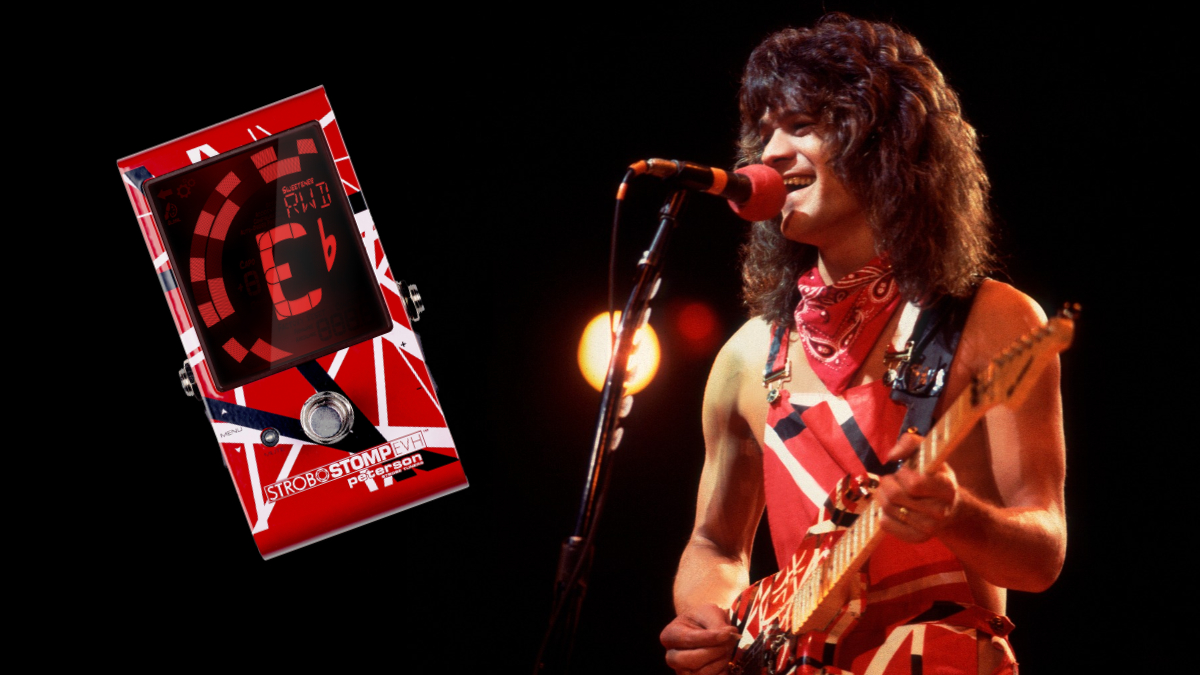
Peterson gives Eddie Van Halen’s tunings the strobe treatment
The StroboStomp EVH loads 13 Van Halen-specific Sweeteners into Peterson’s pedal tuner, alongside more than 150 alternate setups.
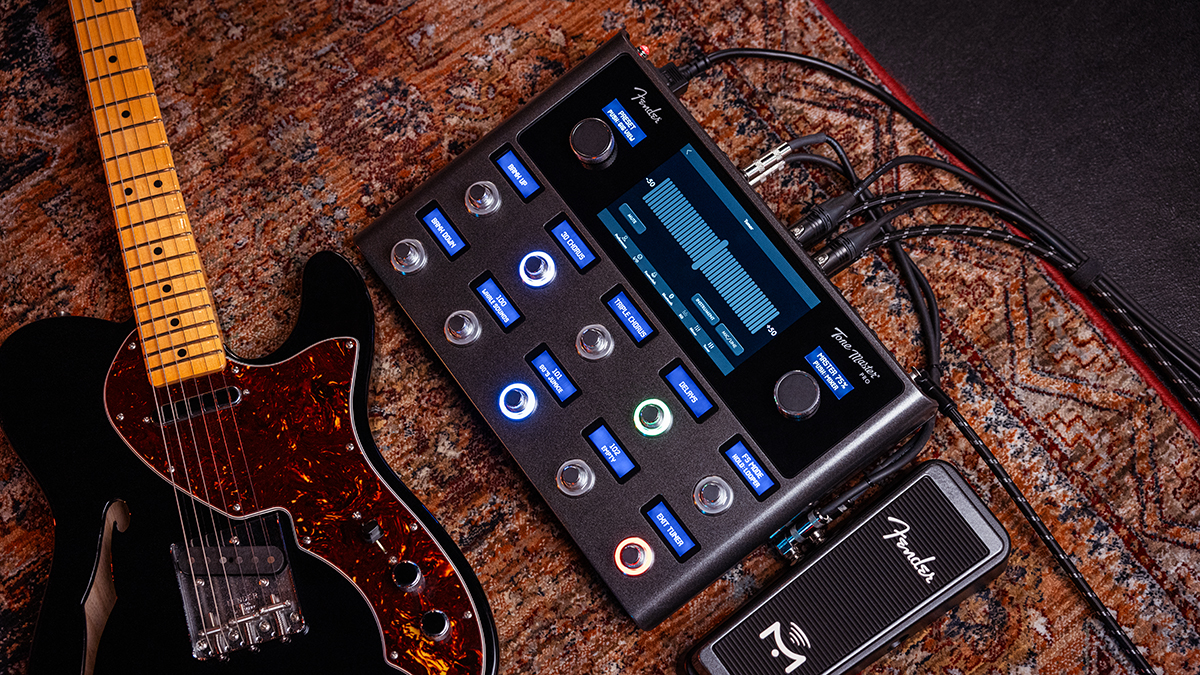
Fender confirms NAM A2 captures are coming to Tone Master Pro
The planned update will place captures in the normal signal chain with touchscreen, app and custom-graphic support, although Fender has not set a date.
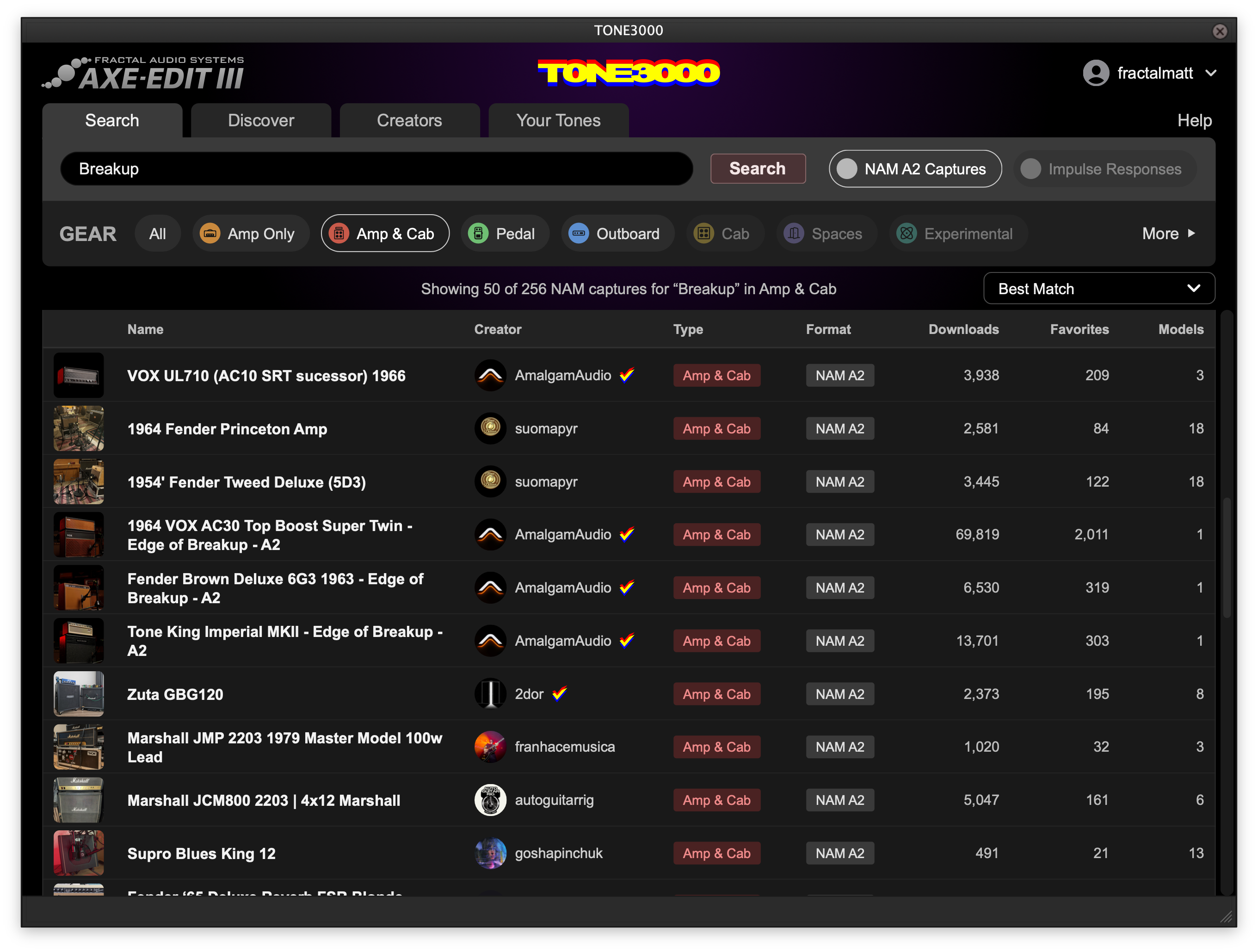
Fractal’s firmware 33 puts NAM A2 and TONE3000 inside the Axe-Fx III
The free update adds two NAM Player blocks, in-editor capture browsing, modeled tone stacks and storage for up to 256 captures.