Catalinbread Cold One turns the cult DOD Punkifier idea into a three-voice dirt pedal
The $199.99 pedal blends distortion, conventional fuzz and arpeggiating glitch fuzz, with independent controls for gain character and balance.

Credit: Catalinbread (via source)
Catalinbread’s Cold One is a new distortion-and-fuzz pedal built from the blended-gain idea behind the short-lived DOD FX76 Punkifier. It is listed at $199.99 and ships with a three-year warranty. The key change is a third voice: alongside distortion and conventional fuzz, Catalinbread adds an arpeggiating glitch-fuzz circuit that can be mixed into the fuzz side before the complete fuzz path is blended with distortion.
The control layout makes those layers easier to understand than the Punkifier’s original labels. Glitch moves between standard fuzz and glitch fuzz, Fuzz Blend balances that combined fuzz voice against the distortion path, and Gain controls only the distortion side. Tone is an active control that emphasizes highs or lows, while Vol sets the output. With distortion gain lowered, the distortion path can also act as a cleaner parallel voice, a configuration Catalinbread explicitly recommends for bass.
The pedal accepts 9–18V DC center-negative power and draws just 4mA. Input and output buffers are intended to make placement in a larger signal chain less fussy, while the higher-voltage option gives players another way to alter headroom. Catalinbread’s own page includes sound examples and an official video, so the unusual glitch behavior can be auditioned rather than inferred from the control names.
Guitar Pedal X traces the circuit’s lineage to the 1995–1997 DOD original and explains that its overdrive and transistor-fuzz paths run separately before they are recombined. That context matters: Cold One is not simply another aggressive fuzz. It revives a scarce parallel dirt architecture, then gives the unstable voice its own blend stage so players can move from a conventional drive to broken, patterned textures without changing pedals.
Credit: Catalinbread (via source)
Why it matters
Cold One makes an uncommon parallel distortion/fuzz design newly accessible and adds a controllable glitch voice without sacrificing the original blend concept.
From Guitar News to Guitar Progress
Discover it here. Learn how it works. Practice it until it's yours.
“Record your technique exercise. Watch it back. Find one thing to improve. Fix it in the remaining time.”
Related
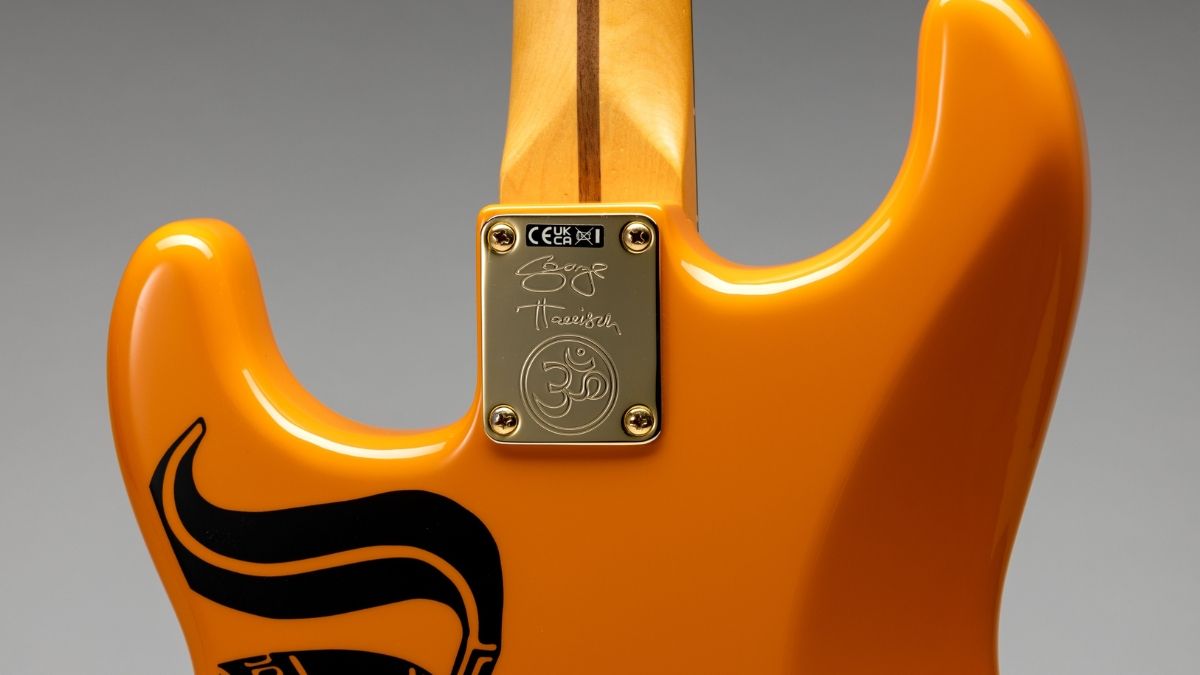
Fender’s George Harrison Dark Horse Stratocaster brings a Japan-only tribute to players
The ¥198,000 model pairs familiar Stratocaster hardware with Dark Horse Records graphics, three finishes and a tightly limited Japanese rollout.

Neko puts real-time stem separation, amp modeling and recording in one pocket guitar rig
The crowdfunded Neko device combines local AI song splitting with neural amp captures, effects, recording and wireless guitar connections.
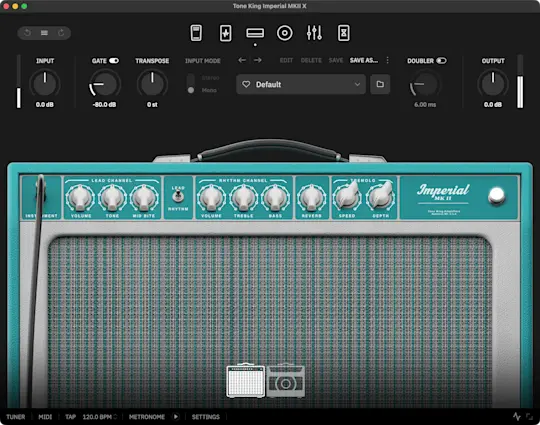
Neural DSP expands Tone King Imperial MKII X with pitch shifting, stereo width and deeper preset tools
The free X update keeps the modeled amp unchanged while adding Transpose, Doubler, 120-plus presets and a redesigned workflow.
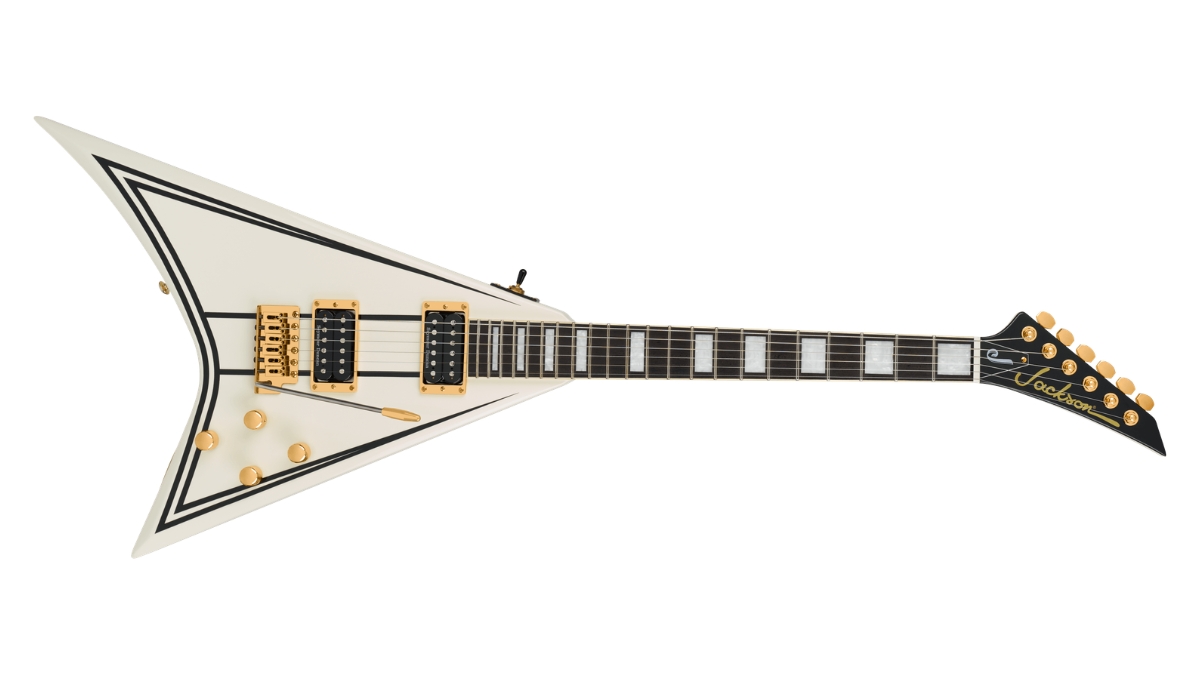
Jackson Revives Four Metal Landmarks for Its New Legend Series
The first Legend Series drop recreates signature instruments tied to Randy Rhoads, Scott Ian, Marty Friedman and David Ellefson.