Great Eastern FX refines the XO crossover pedal with easier controls and a flatter response
XO v1.5 keeps the all-analog split-and-recombine concept while revising its control taper, panel and return-mix ergonomics.
· Edited by Peter Luha
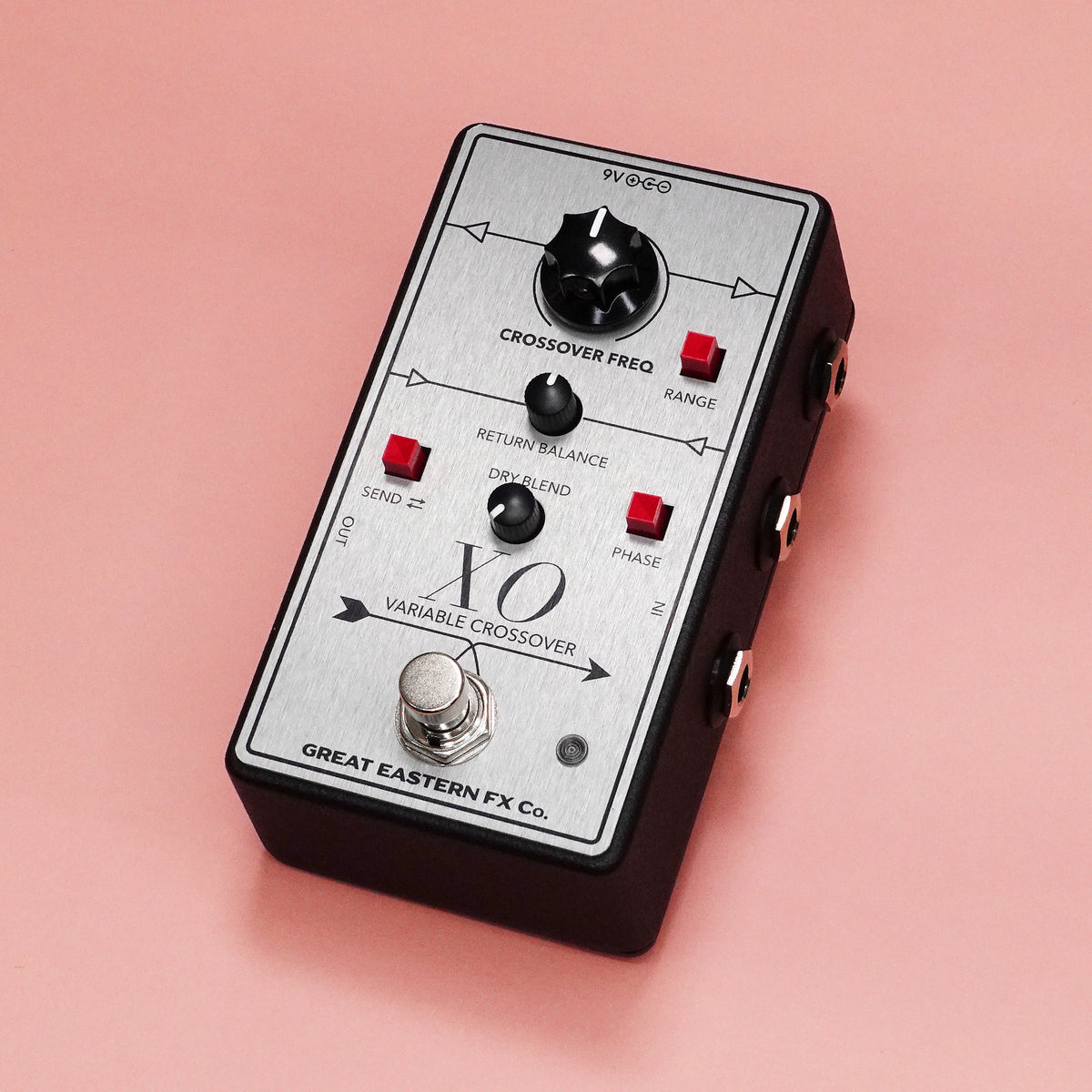
Credit: Great Eastern FX (via source)
Great Eastern FX has updated its XO Variable Crossover to version 1.5, retaining the all-analog signal path while addressing several practical details. The pedal divides the input at a chosen crossover point, sends the low and high bands through separate effects loops, then mixes the two paths back together. The concept lets bassists protect low-end fundamentals while running upper frequencies through guitar pedals, and gives guitarists a way to process different parts of the spectrum independently.
The visible change is a brushed, anodized aluminum faceplate, accompanied by larger Return Balance and Dry Blend knobs. Internally, Great Eastern revised the taper of the crossover-frequency control so adjustment is distributed more evenly across its travel, and it flattened the response around the crossover point. The two ranges span 50–600 Hz and 300 Hz–3.4 kHz, with controls for channel inversion and phase inversion alongside the balance and blend functions.
Guitar Pedal X dated the v1.5 announcement to November 19 and listed prices of £229 in the UK, $299 in the US and €279 in the EU. The revised pedal is available from Great Eastern FX and dealers. Its enclosure measures 125 by 66 by 55 mm and provides dedicated low and high send/return pairs in addition to the main input and output.
This is an incremental revision rather than a new effect category, but the changes target the parts players touch and hear most: quicker balancing onstage, more predictable frequency selection and less coloration at the split. It remains a specialist routing tool, yet one that can make an existing pedal collection behave like a parallel multi-band system.
Credit: YouTube
Why it matters
XO v1.5 makes a rare analog crossover workflow easier to control without changing the core pedalboard architecture that bassists and experimental guitarists use it for.
From Guitar News to Guitar Progress
Discover it here. Learn how it works. Practice it until it's yours.
“The only musician you need to be better than is the version of yourself from yesterday. Play from that perspective.”
Related

Manson gives Graham Coxon two limited-run signature guitars built for “infinite mischief”
The UK-built GC-1 and GC-3 pair swamp-ash T-style bodies with custom humbuckers and Sustainiac systems, with only 10 examples of each in the first edition.
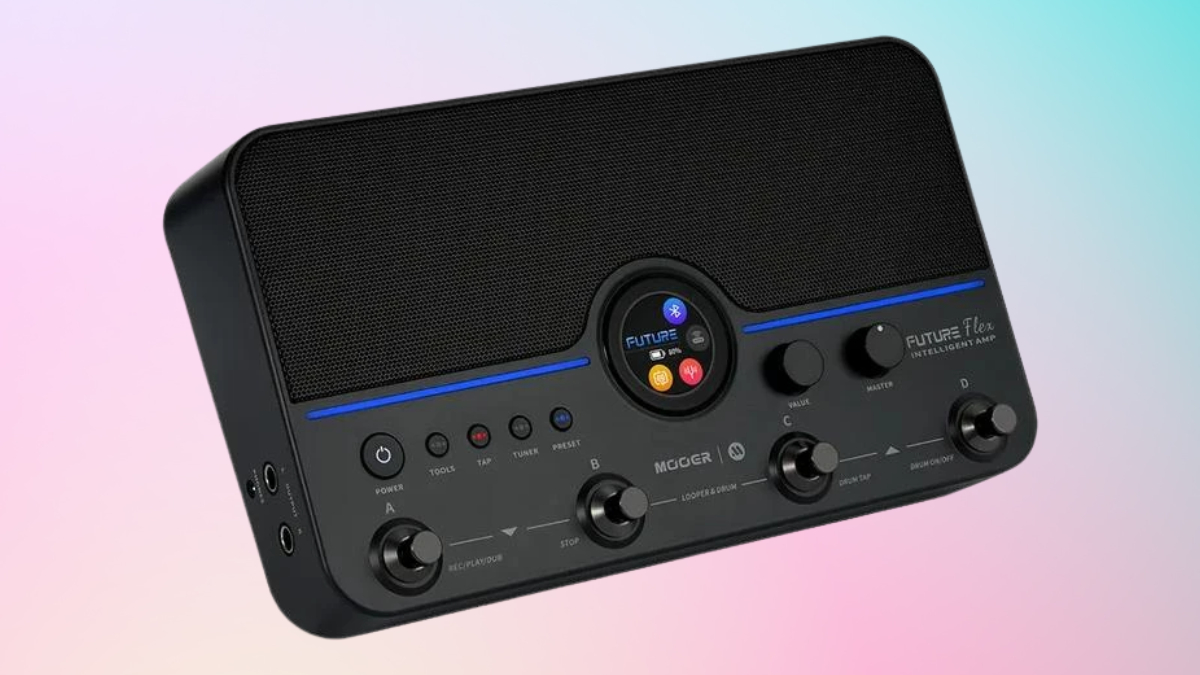
Mooer Future Flex combines NAM A2, AI tone tools and stereo speakers in a portable guitar rig
Mooer's new £199 UK-market unit puts amp modeling, rechargeable stereo amplification, looping and a microphone input into one floor-controlled device.
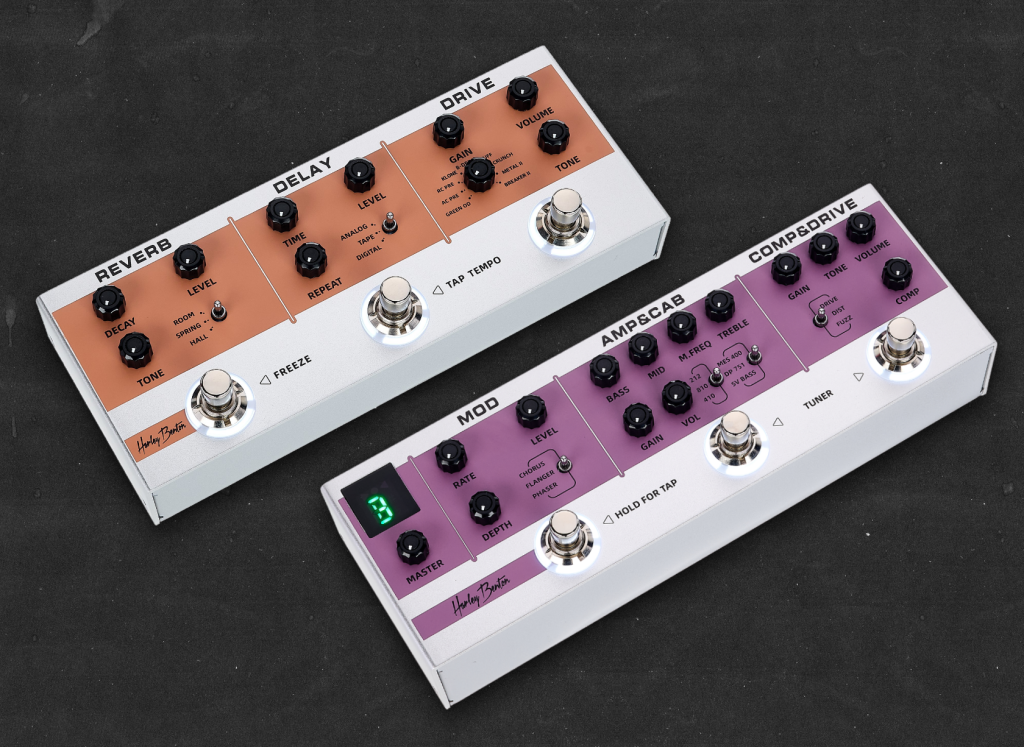
Harley Benton puts a rechargeable guitar pedalboard and bass rig into two FLY-STOMP boxes
The €59 Guitar and €69 Bass models use three footswitches and built-in batteries, but split into purpose-built effect chains and connections for each instrument.

Normal Devices Whether puts eight-voice granular processing in a pedalboard-friendly stereo box
The $399 processor combines three capture modes, reverb, filtering, tape-style degradation and deep MIDI or CV control.