Hungry Robot turns dry guitar into damaged tape with The Ghost Frequency
The $219.60 lo-fi pedal combines bit crushing, sample-rate reduction, drifting pitch modulation and filtering as four independent stages.
· Edited by Peter Luha

Credit: Hungry Robot Pedals (via source)
Hungry Robot’s The Ghost Frequency is a compact lo-fi processor built to degrade the dry instrument signal rather than only the repeats of a delay or the tail of a reverb. Its four stages—bit crushing, sample-rate reduction, Azimuth Drift modulation and a low-pass filter—can run separately or together, so the pedal can move from restrained pitch wear to much more obvious digital breakup.
The bit-crusher section offers 8-bit and 16-bit modes, with the centre position of its toggle bypassing that stage completely. A dedicated sample-rate control can lower the clock into sub-audio territory, while the Azimuth Drift section uses a dual-LFO design to imitate the unstable tracking of a faulty VHS machine. The filter then trims the upper frequencies, either softening the other stages or acting as a simpler tone-shaping tool on its own.
The Ghost Frequency is priced at $219.60 direct from Hungry Robot. Its black sparkle enclosure carries teal and orange ghost artwork, and the two status LEDs sit in the ghost’s eyes. The release follows Hungry Robot’s 2026 revisions of the Moby Dick delay and Stargazer reverb, extending the builder’s recent catalogue work into a pedal that treats the clean signal itself as the material to be worn down.
That modular layout is the practical point for guitarists: it is not limited to one preset lo-fi recipe. A player can use only the drifting modulation and filter for a gentler treatment, add reduced sample rate for aliasing, or bring in the bit crusher when a more fragmented texture is needed.
Credit: Hungry Robot Pedals (via source)
Why it matters
Four independently switchable degradation stages make The Ghost Frequency useful beyond a single novelty effect.
From Guitar News to Guitar Progress
Discover it here. Learn how it works. Practice it until it's yours.
“Your right hand plays in 4/4. Your left hand taps in 3/4. Maintain both for 2 full minutes.”
Related

Gibson revives Tak Matsumoto’s double-cut signature guitar in Translucent Pink
The Custom Shop model returns the Tak Matsumoto DC shape after 14 years with Custombuckers, a wraparound bridge and a ¥1,016,290 Japan price.

PastFX doubles the BBD path in its Delay Machine II
The Australian builder’s new all-analogue delay stretches from 25ms to 820ms and adds modulation, expression control and chorus duties.
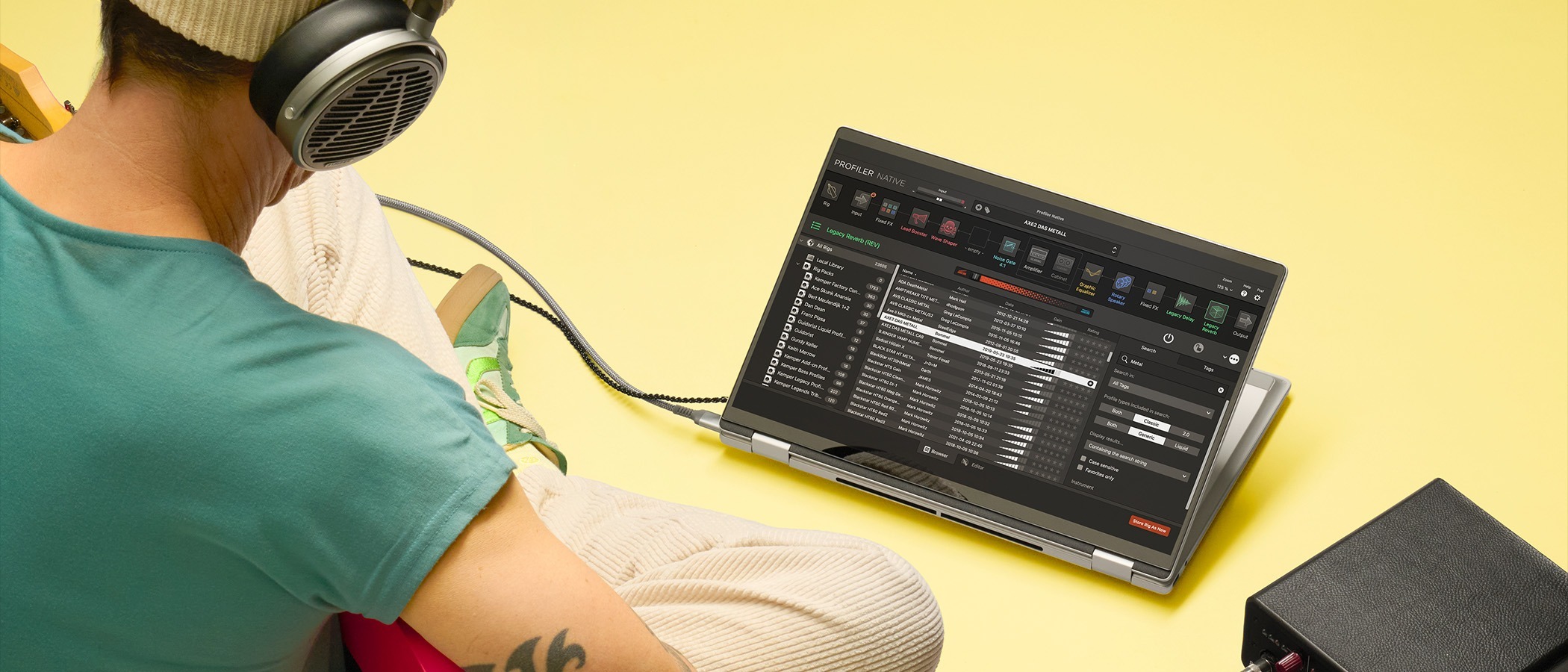
KEMPER brings the PROFILER ecosystem to DAWs with PROFILER Native
The new plug-in and standalone app runs KEMPER rigs and effects without dedicated hardware, with an introductory price of $199.
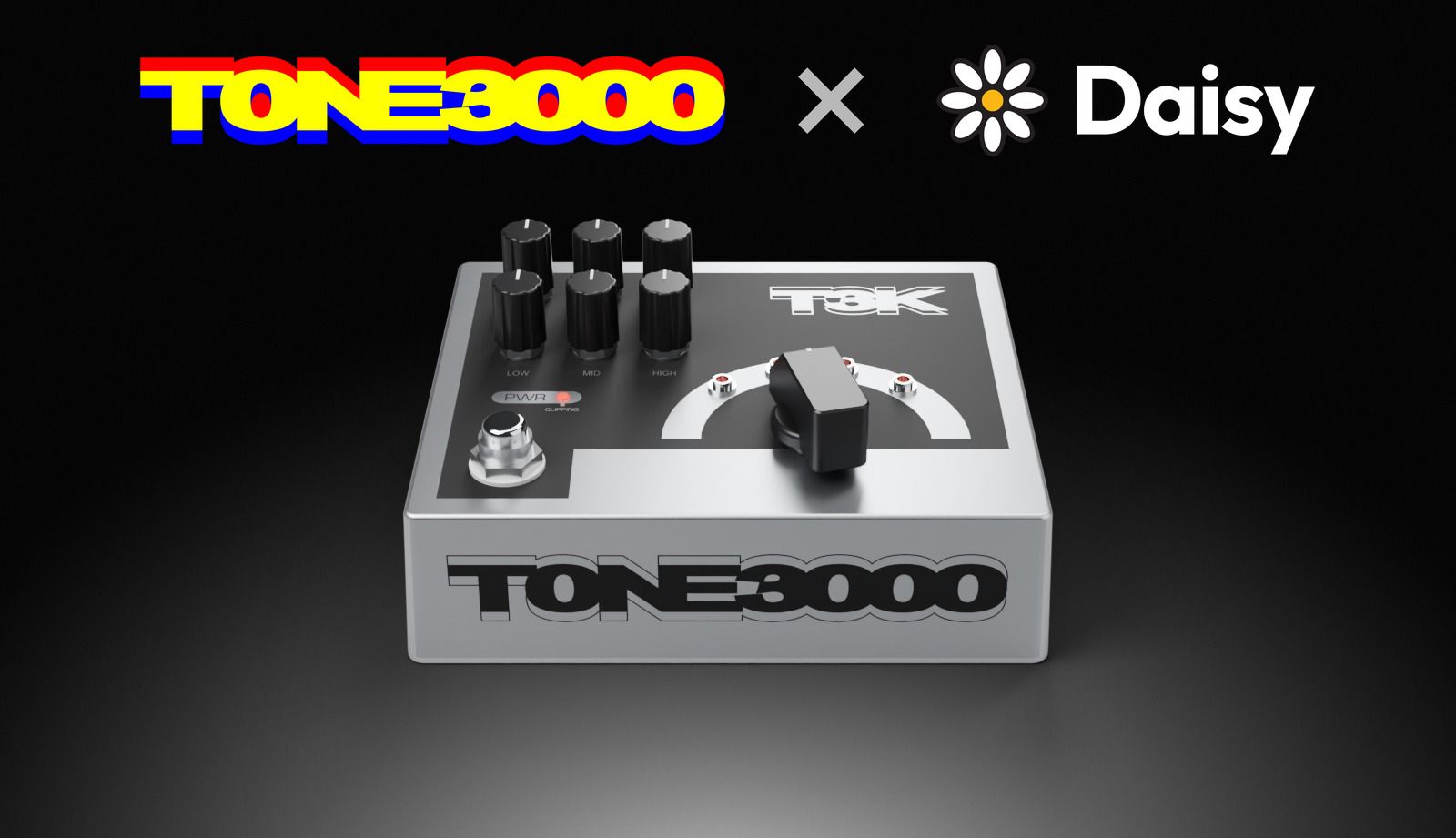
TONE3000 and Daisy turn NAM A2 into a $77.98 open-source DIY pedal
The community project combines a Daisy Seed3 module with a Tayda parts bundle to build a four-preset NAM A2 and IR player at home.