KEMPER brings the PROFILER ecosystem to DAWs with PROFILER Native
The new plug-in and standalone app runs KEMPER rigs and effects without dedicated hardware, with an introductory price of $199.
· Edited by Peter Luha
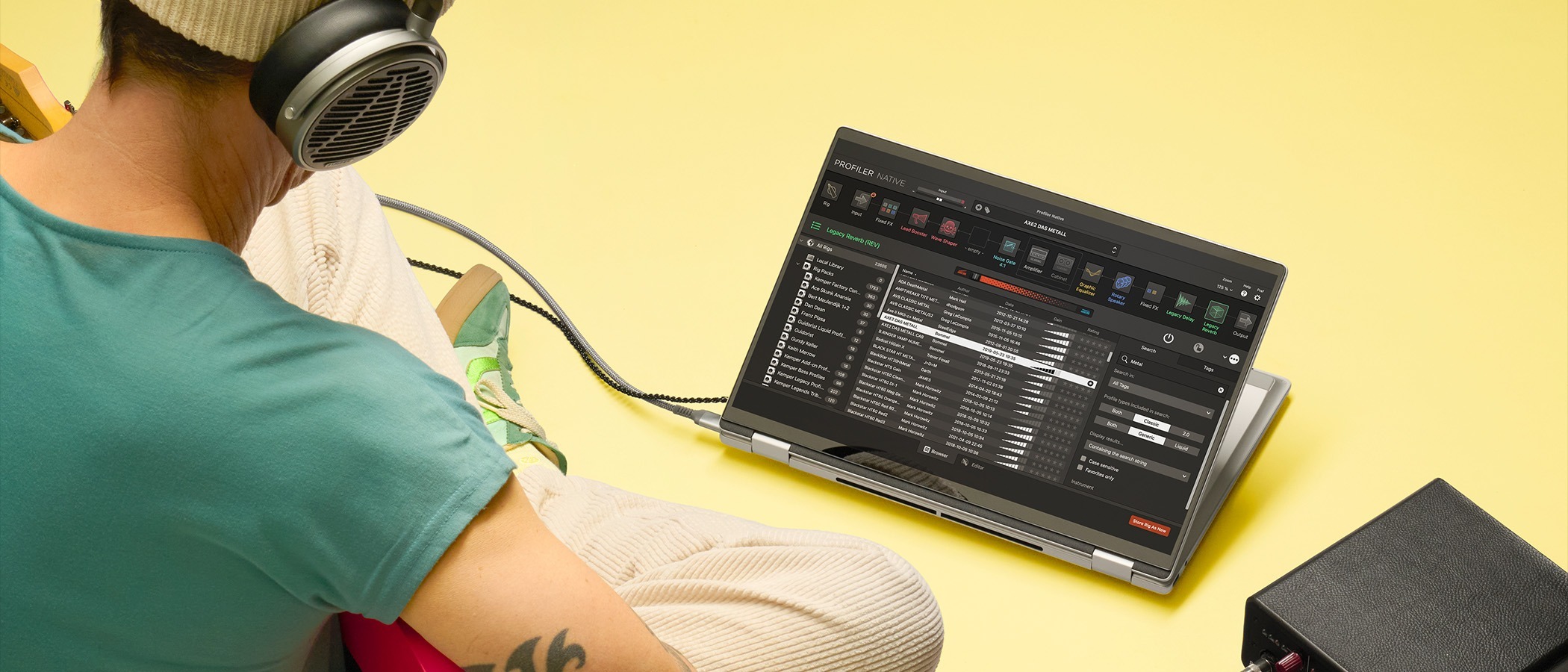
Credit: KEMPER (via source)
KEMPER PROFILER Native puts the company’s current PROFILER sound engine into a plug-in and standalone application for macOS and Windows. The release works without a KEMPER hardware unit and can load Classic Profiles, Liquid Profiles and the newer PROFILING 2.0 format, giving studio users direct access to the same rig ecosystem used by the company’s floor and rack products.
The software includes KEMPER’s effects collection, with more than 80 effect types and eight assignable slots around the amplifier section. It supports AU, VST3 and CLAP on macOS, and VST3 and CLAP on Windows. Rig Exchange access opens a library of more than 20,000 community rigs, while Morphing, spillover between sounds and direct compatibility with existing KEMPER rigs carry over key parts of the hardware workflow. PROFILER Native plays profiles but does not create them; making a profile still requires PROFILER hardware, and the software does not include Performance Mode.
The introductory price is $199 or €199, compared with a regular price of $249 or €249. Existing PROFILER owners can buy it for $149 or €149, while eligible buyers of new hardware since October 12 receive a $99 or €99 offer through January 4, 2027. A ten-day trial is available. One licence can activate two computers, and the software must reconnect to the internet at least once every 30 days.
For players who record mainly in a DAW, this is a substantial change in how the KEMPER catalogue can be used: sessions can travel without a hardware unit, while rigs remain interchangeable with the wider PROFILER ecosystem. The main boundary is equally clear—Native is a playback and editing environment, not a replacement for the hardware profiling process.
Credit: KEMPER (via source)
Why it matters
KEMPER is opening its profiling catalogue to software-only users while preserving compatibility with the rigs already built around its hardware.
From Guitar News to Guitar Progress
Discover it here. Learn how it works. Practice it until it's yours.
“Your right hand plays in 4/4. Your left hand taps in 3/4. Maintain both for 2 full minutes.”
Related

Hungry Robot turns dry guitar into damaged tape with The Ghost Frequency
The $219.60 lo-fi pedal combines bit crushing, sample-rate reduction, drifting pitch modulation and filtering as four independent stages.

Gibson revives Tak Matsumoto’s double-cut signature guitar in Translucent Pink
The Custom Shop model returns the Tak Matsumoto DC shape after 14 years with Custombuckers, a wraparound bridge and a ¥1,016,290 Japan price.

PastFX doubles the BBD path in its Delay Machine II
The Australian builder’s new all-analogue delay stretches from 25ms to 820ms and adds modulation, expression control and chorus duties.
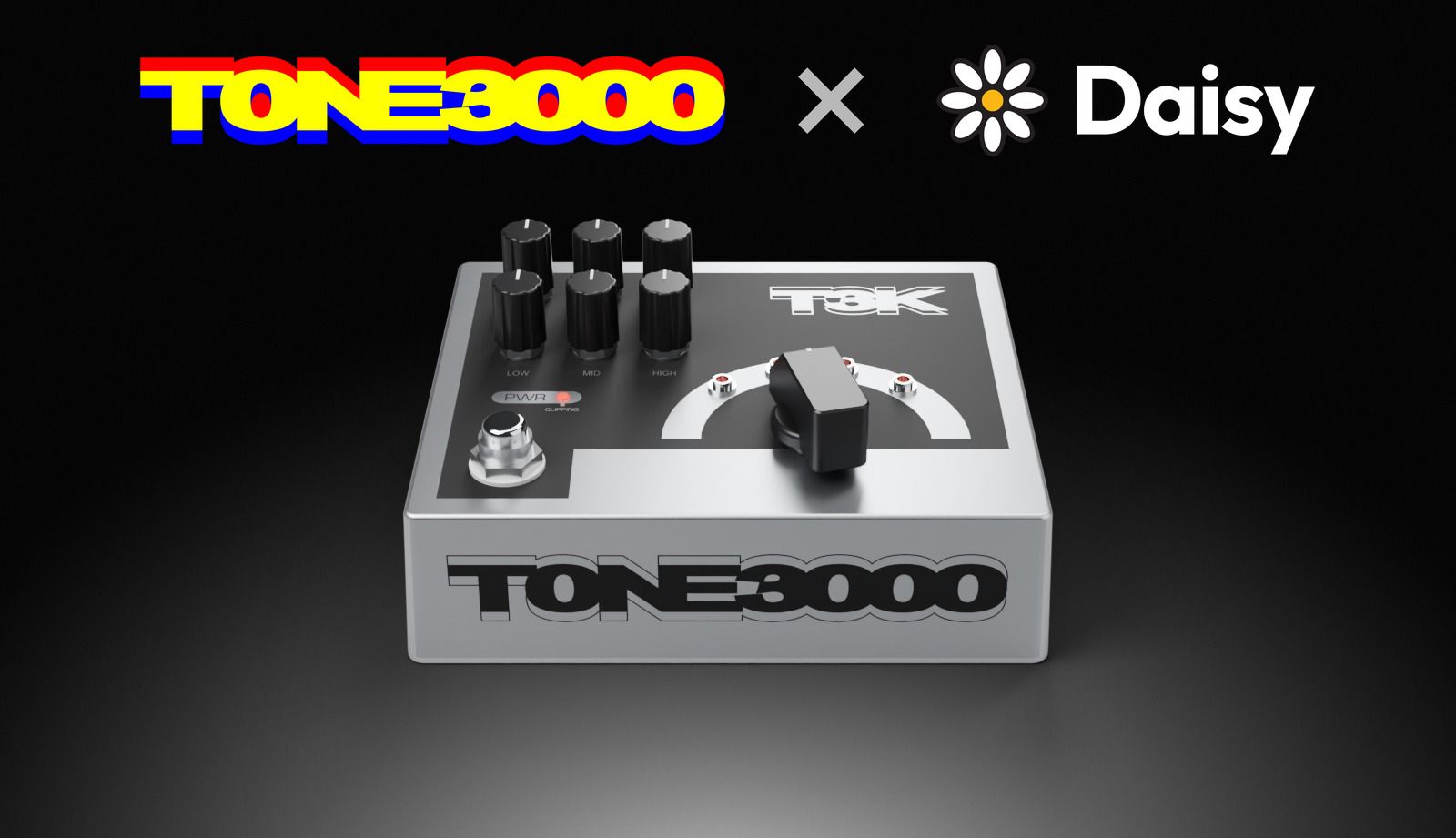
TONE3000 and Daisy turn NAM A2 into a $77.98 open-source DIY pedal
The community project combines a Daisy Seed3 module with a Tayda parts bundle to build a four-preset NAM A2 and IR player at home.