NAM 9000 v1.13 adds Stage and Studio views, MIDI-ready Scenes and three multichannel amp packs
The independent NAM-based guitar rig gets a live-performance interface, scene switching and a signal-chain view in a substantial September 2 update.
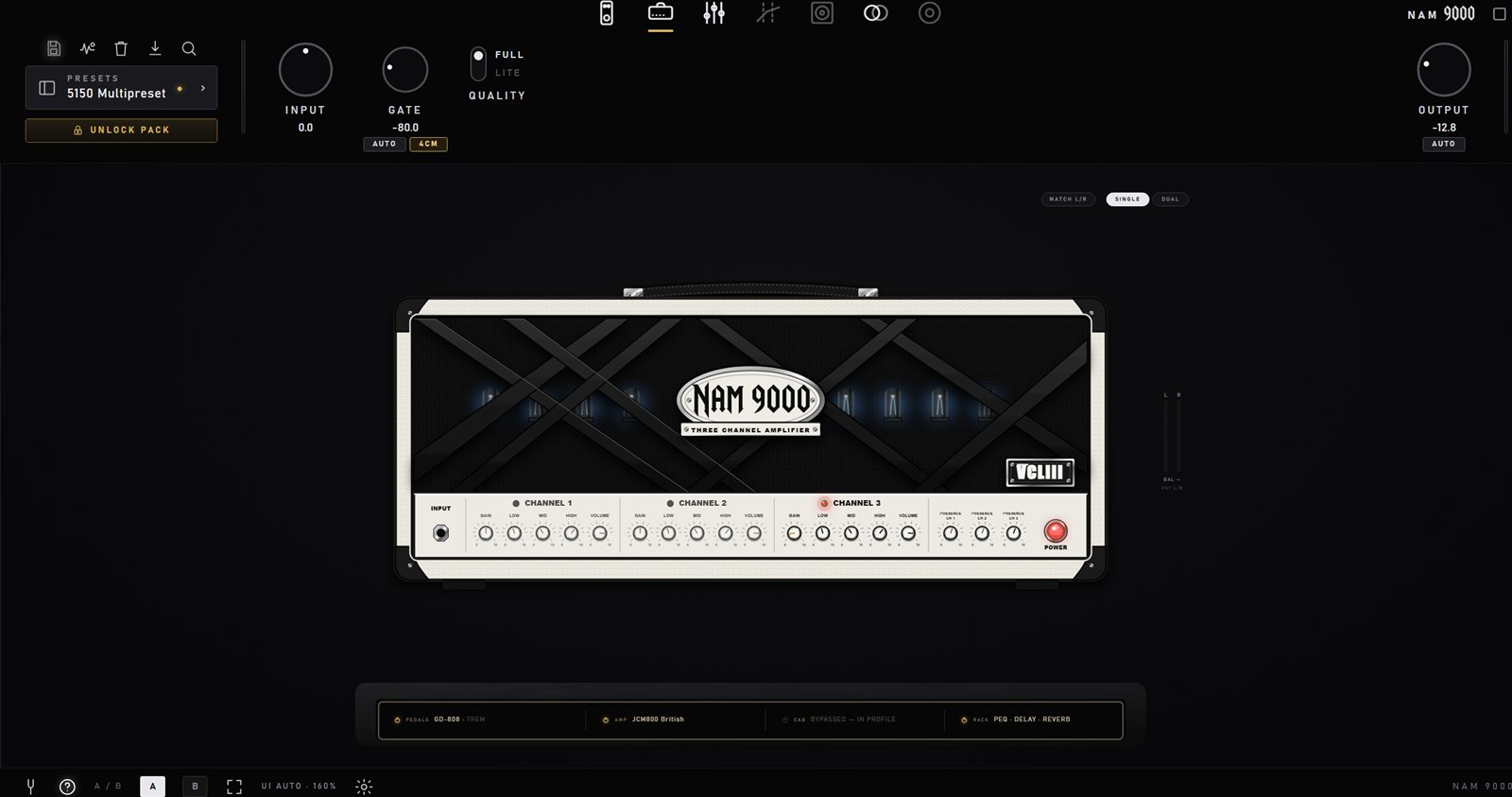
Credit: NAM 9000
NAM 9000 released version 1.13.0 on September 2, adding two new ways to operate the rig without changing the underlying preset. Stage view turns the current rig into a large, performance-focused screen with pedals, amp channel controls, tuner and tap tempo visible from standing distance. Scenes store snapshots of the whole rig and can be MIDI-learned for footswitch changes; the free edition stores two scenes per preset while Pro stores five.
A new Studio view lays the full processing chain out in signal order with the selected block's detailed editor underneath it, giving recording and mixing users a more conventional overview than the original console-style interface. The same release also introduces three multichannel amp packs, including a four-voice British-style head and two additional multi-channel high-gain collections, while restoring sessions more reliably and reducing idle CPU use.
NAM 9000 is a small independent project built around the open Neural Amp Modeler format. The core player and capture/training studio remain free, which makes the update notable beyond its user base: it shows how quickly open-format guitar software is evolving toward the live workflow and scene-management features normally associated with large commercial modelers.
Update (September 3): NAM 9000 followed with a small v1.13.1 MIDI hotfix, fixing footswitch behavior for controllers that only ever send a note-on message with no matching release — typical defaults on the Hotone Ampero Control and most Morningstar and Boss switches. Previously such a switch could learn correctly, fire once, and then stop responding; the fix lets it trigger repeatedly for scenes, channel switching, preset changes and mapped on/off controls, with no existing mappings needing to be re-learned.
Why it matters
This is exactly the kind of small-but-useful development a mainstream-only sweep can miss. Scene switching and a purpose-built stage view move an open NAM rig closer to being a practical live system, not just a desktop capture loader.
From Guitar News to Guitar Progress
Discover it here. Learn how it works. Practice it until it's yours.
“Stay on one chord for 5 minutes. Your entire job is the rhythm. Nothing else matters.”
Sources
Related
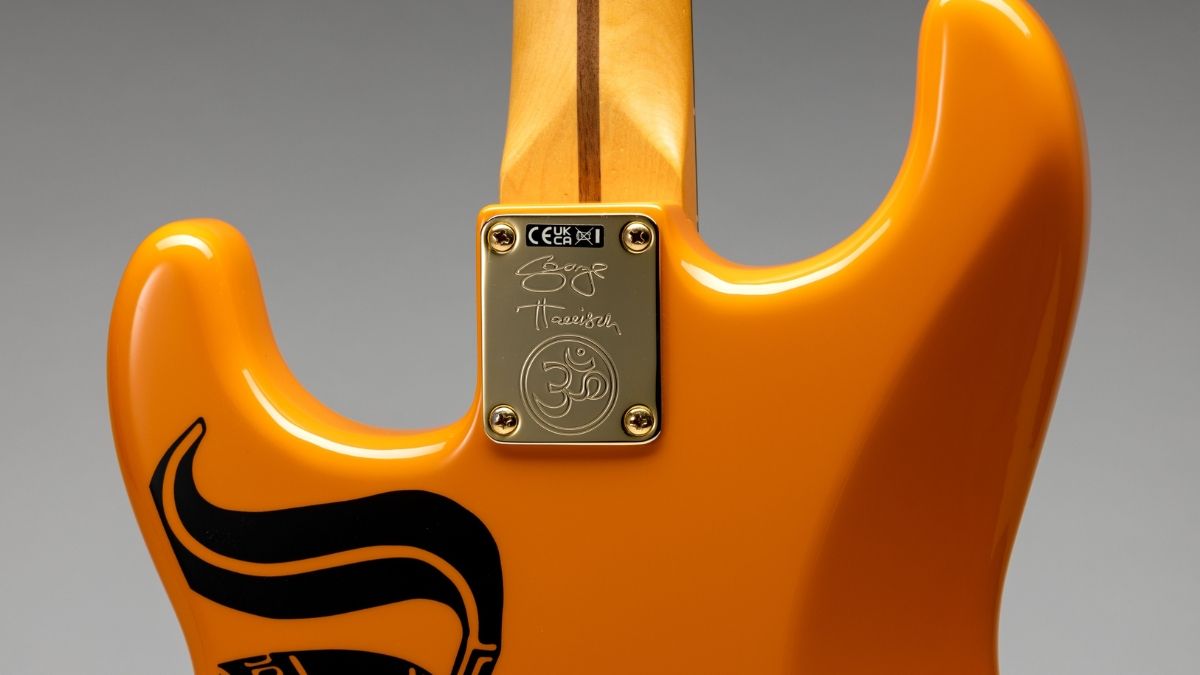
Fender’s George Harrison Dark Horse Stratocaster brings a Japan-only tribute to players
The ¥198,000 model pairs familiar Stratocaster hardware with Dark Horse Records graphics, three finishes and a tightly limited Japanese rollout.

Catalinbread Cold One turns the cult DOD Punkifier idea into a three-voice dirt pedal
The $199.99 pedal blends distortion, conventional fuzz and arpeggiating glitch fuzz, with independent controls for gain character and balance.

Neko puts real-time stem separation, amp modeling and recording in one pocket guitar rig
The crowdfunded Neko device combines local AI song splitting with neural amp captures, effects, recording and wireless guitar connections.
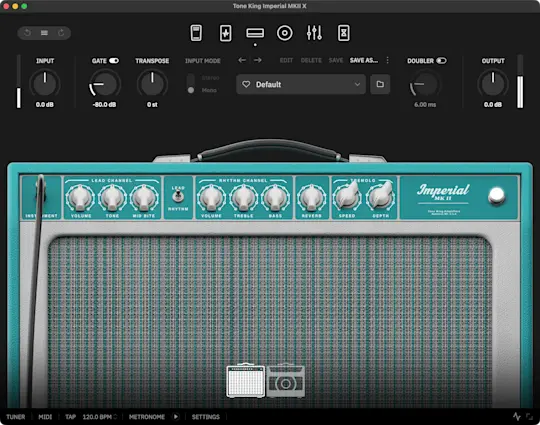
Neural DSP expands Tone King Imperial MKII X with pitch shifting, stereo width and deeper preset tools
The free X update keeps the modeled amp unchanged while adding Transpose, Doubler, 120-plus presets and a redesigned workflow.