Steve Stine separates Mixolydian shapes from the Mixolydian sound
The 13-minute guitar lesson focuses on hearing and establishing the mode’s tonal center instead of treating its fingering as another scale diagram.
· Edited by Peter Luha

Credit: Steve Stine Guitar Lessons (via source)
Steve Stine has published a 13-minute lesson titled “Playing the Mixolydian Shape vs. Using the Mixolydian Sound.” The video appeared on the Steve Stine Guitar Lessons channel on November 27 and frames a useful distinction for improvisers: knowing a fingering pattern is not the same thing as making the mode sound like the tonal center.
Mixolydian uses the same seven-note collection as a major scale starting from its fifth degree, but its identity depends on treating that fifth-degree note as home. In A Mixolydian, for example, the notes are A, B, C-sharp, D, E, F-sharp and G. The natural G is the flattened seventh against A major, and it is the note that most clearly separates the mode from an ordinary major sound.
That difference is audible in harmony as well as in a scale diagram. An A-to-G vamp keeps A as the center while repeatedly exposing the flattened seventh; starting and resolving phrases on A reinforces the same effect. Play the identical notes with D as the point of rest and the ear hears D major instead, even though the fretboard material has not changed.
The lesson’s shape-versus-sound framing is valuable because it targets a common gap between memorization and application. Players can use the video as a prompt to test the same fingering over a drone or two-chord vamp, listen for the tonal center and build phrases around the characteristic note rather than simply running the pattern from bottom to top.
Credit: Steve Stine Guitar Lessons (via source)
Why it matters
It addresses the practical step between memorizing a mode shape and making that mode recognizable in real improvisation.
From Guitar News to Guitar Progress
Discover it here. Learn how it works. Practice it until it's yours.
“Start at the quietest possible volume. Build to the loudest. Take the full 5 minutes to get there.”
Related
Charlie Starr breaks down how Blackberry Smoke builds a three-guitar solo
A new lesson dissects the handoff and harmony choices in Morningside, from major pentatonics to the closing triad sequence.
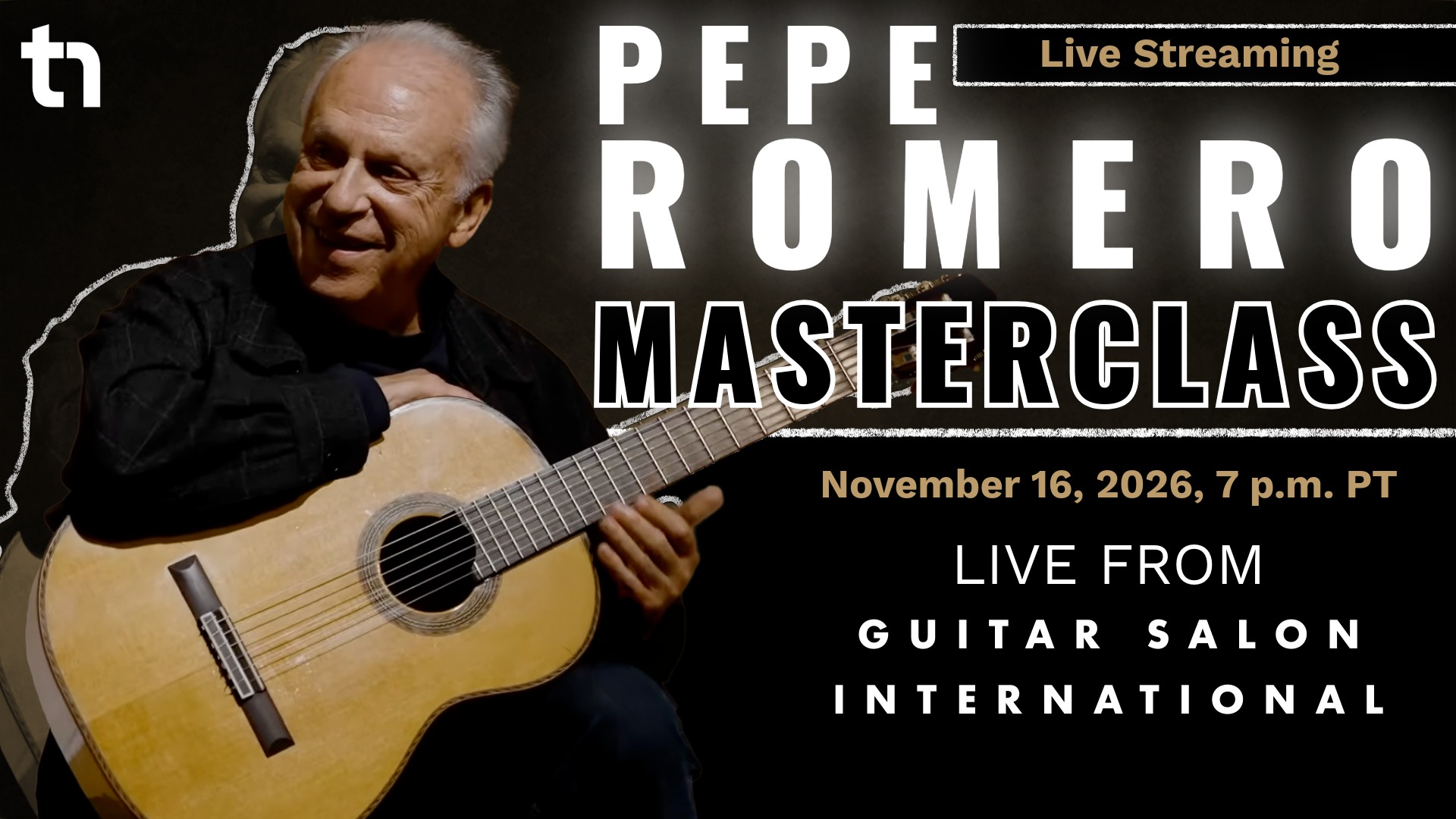
Pepe Romero’s third GSI masterclass streams free tonight with USC guitar students
The three-hour Santa Monica session pairs 30-minute student lessons with a free livestream, live questions and a TeacherNet lesson giveaway.

Pleven Guitar Festival’s 2026 competition keeps late registration open through November 15
Classical soloists, chamber groups and guitar ensembles still have a final entry window, with a 30% late fee and 15 in-person competition categories.

Nikšić Guitar Festival keeps its 2026 PRO competition open through November 13
The classical-guitar contest has an online first round, a live televised final and a €4,000 concert guitar as its first prize.