Amels Audio debuts with the 20-unit Osetra all-tube instrument DI
Dave Amels’ new hardware company puts a Class-A, transformerless tube signal path into a numbered caviar-tin enclosure for guitar, bass and studio use.
· Edited by Peter Luha

Credit: Amels Audio (via source)
Amels Audio’s Osetra is the first product from audio designer Dave Amels’ new independent hardware company. It is a direct-coupled, all-tube instrument DI for electric guitar, bass and pickup-equipped acoustic guitar, launched as a numbered Founder’s Tin Edition limited to 20 units. The unusual enclosure is a laser-cut caviar tin, but the circuit and operating requirements are firmly studio-minded.
Osetra uses a Class-A, transformerless topology with no loop feedback and presents a 1 MΩ instrument input. The maker specifies response from 4 Hz into the megahertz range, with the upper limit determined by the receiving microphone preamp. Connections are 1/4-inch input and thru plus an Amphenol XLR output, while the gain range runs from minus infinity to +2 dB.
Two power sources are required: 48 V phantom power supplies the tube B+ and an included universal-input 12 V DC adapter powers the filament. Amels recommends connecting the filament supply first, allowing about 30 seconds of warm-up, then enabling phantom power at the receiving mic input. The circular enclosure measures 4.2 inches across by 3.1 inches high and weighs 150 g.
The first 20 units are available directly in the United States for $425, including the adapter and a one-year parts-and-labor warranty. Osetra is notable because it treats the DI as part of a responsive guitar signal chain rather than a generic utility box. Its very small first run also makes the launch a clear test of demand for Amels Audio’s bench-built studio hardware.
Why it matters
A respected audio designer is entering the market with an original tube DI whose topology and power scheme differ from the usual transformer or solid-state boxes.
From Guitar News to Guitar Progress
Discover it here. Learn how it works. Practice it until it's yours.
“Play two independent melodic lines simultaneously — one in the bass, one on top. They must relate but not copy each other.”
Related

Luminite's Graviton beta adds two-way Kemper Link and a dedicated MIDI clock screen
Firmware 5.4.9 lets Graviton M1 and M2 controllers exchange names, navigation and tuner data with Kemper Profilers while expanding live clock control.
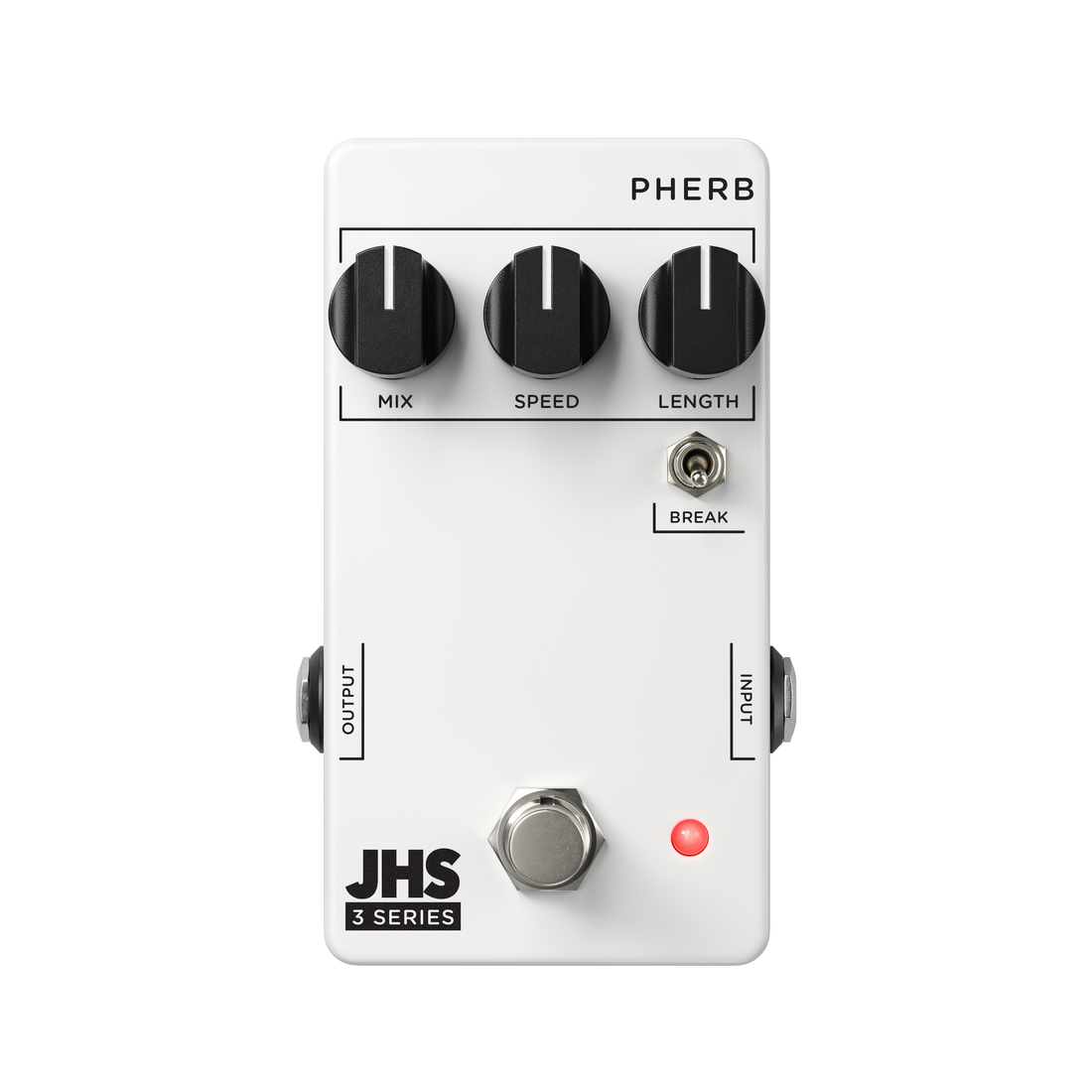
JHS turns an internet joke into the $99 3 Series PHERB
The compact pedal hardwires dark lo-fi reverb into a four-stage phaser, then adds a BREAK mode for bit-crushed, clipped textures.

Richie Kotzen teases a baby-blue Stratocaster for 2027
The one-off-looking build keeps his figured-top, gold-hardware formula but points to a slimmer neck and a possible new Fender chapter.

Darta Persona: Zero One combines a captured amp, four pedals and NAM support
The Brazilian plugin packs a complete guitar rig into VST3, AU and standalone formats at a R$249 launch price.