Luminite's Graviton beta adds two-way Kemper Link and a dedicated MIDI clock screen
Firmware 5.4.9 lets Graviton M1 and M2 controllers exchange names, navigation and tuner data with Kemper Profilers while expanding live clock control.
· Edited by Peter Luha

Credit: Luminite Effect Pedals (via source)
Luminite has opened beta testing for Graviton M1 and M2 firmware 5.4.9, led by a new two-way Kemper Link for Profiler Head, Rack, Stage and Player hardware. The integration exposes ten signal blocks, displays performance and rig names, and adds slot and performance navigation alongside tuner and Morph control. Connections can run over USB, five-pin DIN or Bluetooth LE MIDI, giving users several ways to place the controller in an existing Kemper rig.
The update also introduces a dedicated Clock screen. Players can view BPM, tap tempo, nudge the rate and configure clock behavior from the touchscreen, while the controller can act as master, slave or synchronized clock source. Luminite has added filtering for MIDI, analog and CC clock data, plus clearer multi-tap badges and an F3 footswitch layout intended to make timing functions easier to reach onstage.
Beyond the headline features, the beta includes safer backup handling and general stability work. That matters on a controller whose presets, setlists and routing can sit at the center of an entire live rig. Luminite is explicit that this remains beta software and recommends the stable release for performances, with an external backup made before testing.
Kemper users already have several MIDI control options, but a bidirectional link that returns names and tuner information can reduce the mental translation normally required from generic program changes. For Graviton owners, the update makes the touchscreen more informative without requiring new hardware; for cautious touring players, it is a preview to test offstage until the features graduate to a stable build.
Why it matters
The beta makes Graviton a more context-aware Kemper controller instead of a one-way MIDI command surface, while the clock tools broaden its role in synchronized pedalboard and hybrid rigs.
From Guitar News to Guitar Progress
Discover it here. Learn how it works. Practice it until it's yours.
“Play two independent melodic lines simultaneously — one in the bass, one on top. They must relate but not copy each other.”
Related
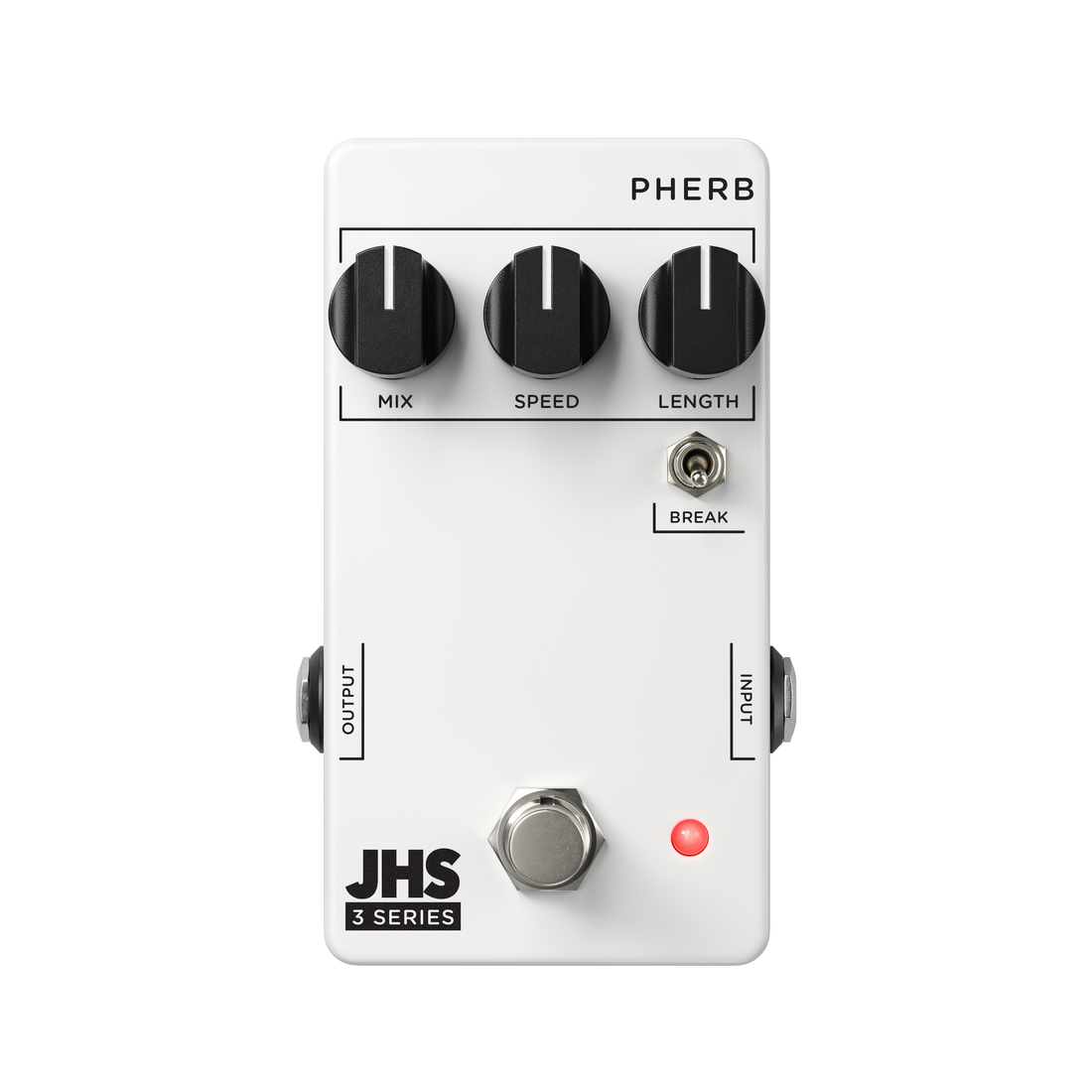
JHS turns an internet joke into the $99 3 Series PHERB
The compact pedal hardwires dark lo-fi reverb into a four-stage phaser, then adds a BREAK mode for bit-crushed, clipped textures.

Richie Kotzen teases a baby-blue Stratocaster for 2027
The one-off-looking build keeps his figured-top, gold-hardware formula but points to a slimmer neck and a possible new Fender chapter.
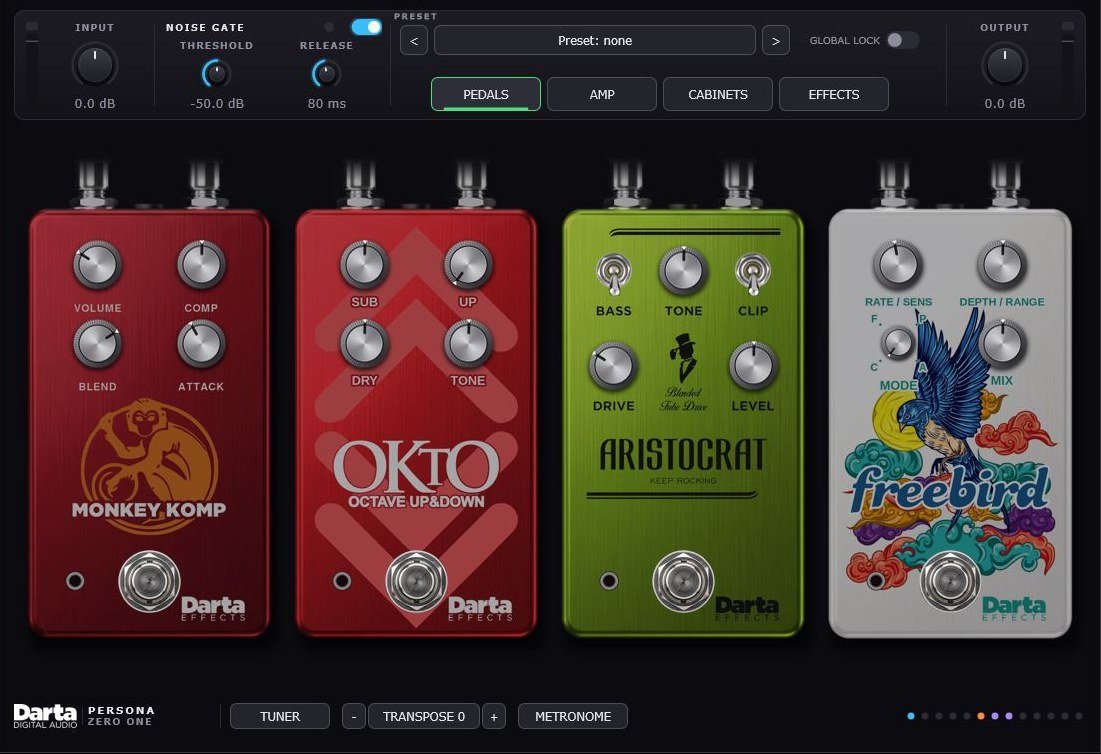
Darta Persona: Zero One combines a captured amp, four pedals and NAM support
The Brazilian plugin packs a complete guitar rig into VST3, AU and standalone formats at a R$249 launch price.

Amels Audio debuts with the 20-unit Osetra all-tube instrument DI
Dave Amels’ new hardware company puts a Class-A, transformerless tube signal path into a numbered caviar-tin enclosure for guitar, bass and studio use.