TONEX will make captured amps behave like adjustable models
IK Multimedia’s Parametric Tone Model technology captures up to six controls across multiple positions and predicts the sounds between them.
· Edited by Peter Luha

Credit: IK Multimedia (via source)
IK Multimedia has announced Parametric Tone Model technology for TONEX, shifting the capture process from one fixed setting toward a model that follows an amp or pedal’s controls. A capture can cover up to six knobs or switches, with as many as ten sampled positions for each control. The resulting neural model predicts the sonic behavior between those points and across combinations of settings.
That changes the familiar profiling workflow. Instead of collecting several separate snapshots to cover clean, edge-of-breakup and driven settings, a creator can publish one Parametric Tone Model whose gain, tone and other mapped controls remain adjustable. IK says the models keep the captured hardware’s familiar control behavior, so players can work with the virtual rig more like the device that was sampled.
The technology is scheduled to debut in November 2026 as a free update for every TONEX Player version, including TONEX CS, and for TONEX Board. The launch set will include 11 free models—ten amps and one pedal—with commercial collections due in December. Support for TONEX Pedal, TONEX ONE, TONEX ONE+ and TONEX Plug is planned for the first half of 2027.
Existing Tone Models remain supported, preserving a library that IK says already exceeds 60,000 community models on Tone.NET. Parametric models therefore extend the ecosystem rather than replacing it, adding a more flexible option for hardware whose tone depends strongly on interacting controls.
Credit: YouTube
Why it matters
Profiling systems have traditionally traded the feel of a full amp model for the accuracy of a single captured setting. Modeling the control sweep directly could narrow that divide while remaining compatible with the large TONEX capture library.
From Guitar News to Guitar Progress
Discover it here. Learn how it works. Practice it until it's yours.
“Play a single-note melody that implies the harmony without any chords being played. Make the listener hear the chords.”
Related

BOSS shrinks the Katana platform into the 25-watt Katana-25
The new 1x8 combo brings six amp characters, more than 60 effects, Bluetooth and USB-C recording to a compact home-practice format.
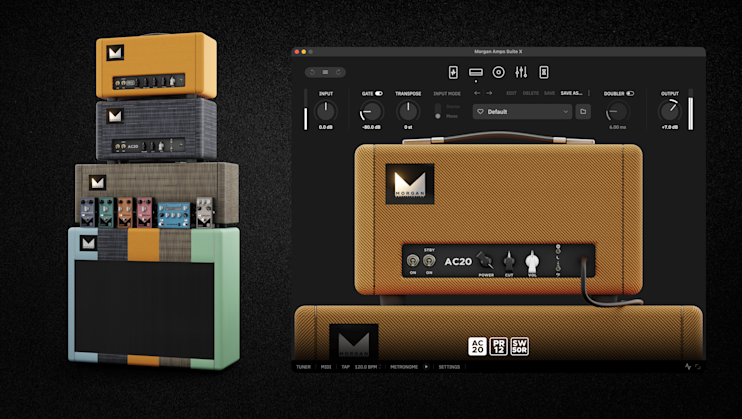
Neural DSP gives Morgan Amps Suite X faster preset browsing and session-wide control locks
The free X update retains three Morgan amp models while adding Global Lock, tagged preset search, two skins and undo/redo.
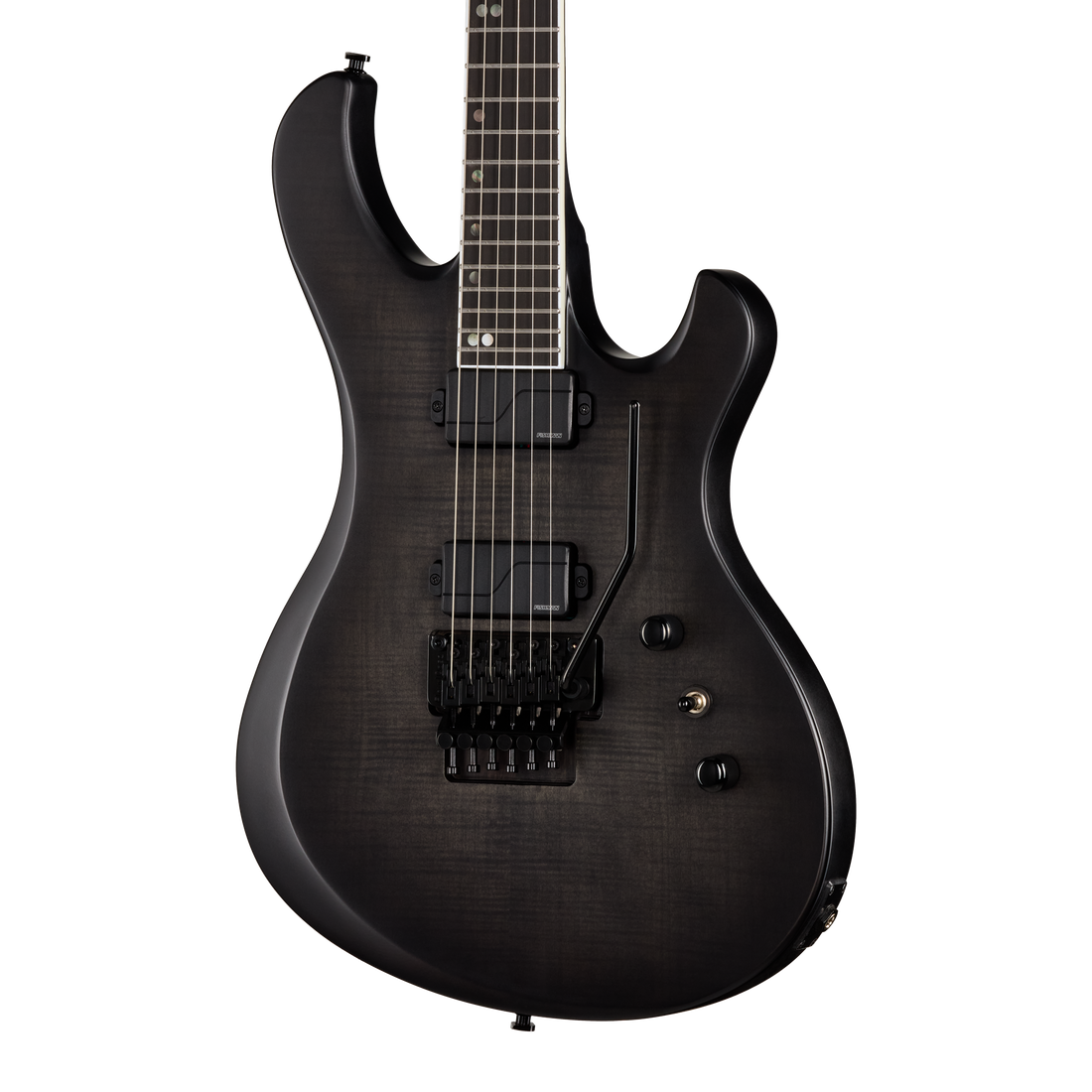
Epiphone rebuilds the Prophecy Series around its first Victory and a 27-inch Les Paul Baritone
Five modernized electrics pair compound-radius ebony boards and stainless frets with custom triple-voice Fishman Fluence pickups.

Positive Grid retunes Spark CAB 2 for tighter lows and a cleaner path into modeler rigs
The 140-watt powered FRFR cabinet keeps the 10-inch-plus-tweeter format while adding revised acoustics, flexible power and independent stage and PA levels.