Ibanez quietly drops new Vai, Satriani and Nita Strauss signatures plus a seven-string Iceman
A surprise September catalogue update brings a gold-leaf PIA for Steve Vai, a fresh JS for Joe Satriani, a Torch Red JIVA for Nita Strauss and a multi-scale Iceman.
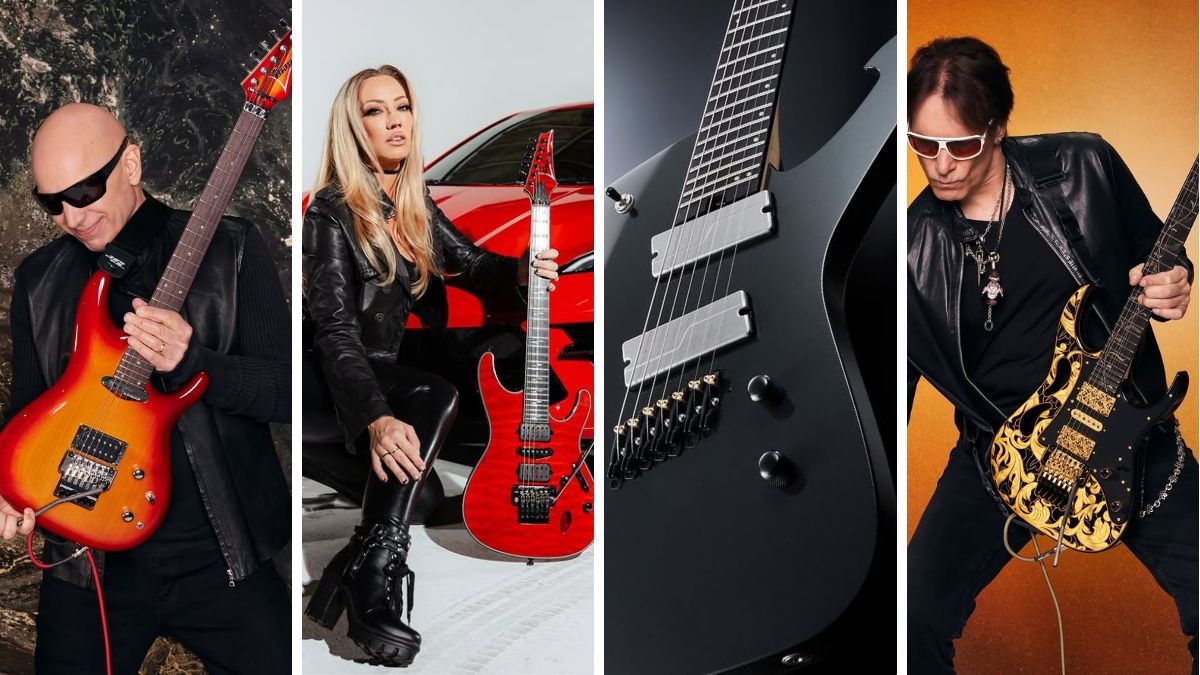
Credit: Ibanez (via source)
Ibanez has slipped a batch of new electrics into its catalogue without much fanfare, and Guitar World flagged the additions on September 2. The headline pieces are three artist models. Steve Vai's PIA77BON2 keeps the familiar PIA blueprint but wraps it in a hand-painted gold leaf finish with an elaborate Blossom fretboard inlay and matching DiMarzio UtoPIA pickup covers. Joe Satriani gets the JS2470, built around an alder body and a three-piece maple and bubinga neck, with a DiMarzio Satchur8 humbucker at the bridge, a Sustainiac in the neck, and a three-way voicing switch for Harmonic, Mix and Normal modes.
Nita Strauss's new JIVA10R lands in Torch Red over a quilted maple top and African mahogany body, with a three-piece maple and purpleheart neck, an ebony fretboard and the Beaten Path inlay she has used since her first signature.
The surprise of the group is a reworked Iceman. The classic angular shape has been given a seven-string, multi-scale build with an okoume body, a five-piece maple and walnut Wizard II-7 neck and Fishman Fluence Modern humbuckers, aimed squarely at heavier players. Ibanez also brought back its revived P Series in a more aggressive form, with an aluminium-look pickguard, a basswood body, a five-piece maple and walnut Super Wizard neck and Sharktooth inlays.
Why it matters
Ibanez's signature roster still sets much of the agenda for shred and metal guitar, and dropping four notable models at once, including a rare seven-string Iceman, gives players a clear read on where the brand is pushing next.
From Guitar News to Guitar Progress
Discover it here. Learn how it works. Practice it until it's yours.
“Record your technique exercise. Watch it back. Find one thing to improve. Fix it in the remaining time.”
Related
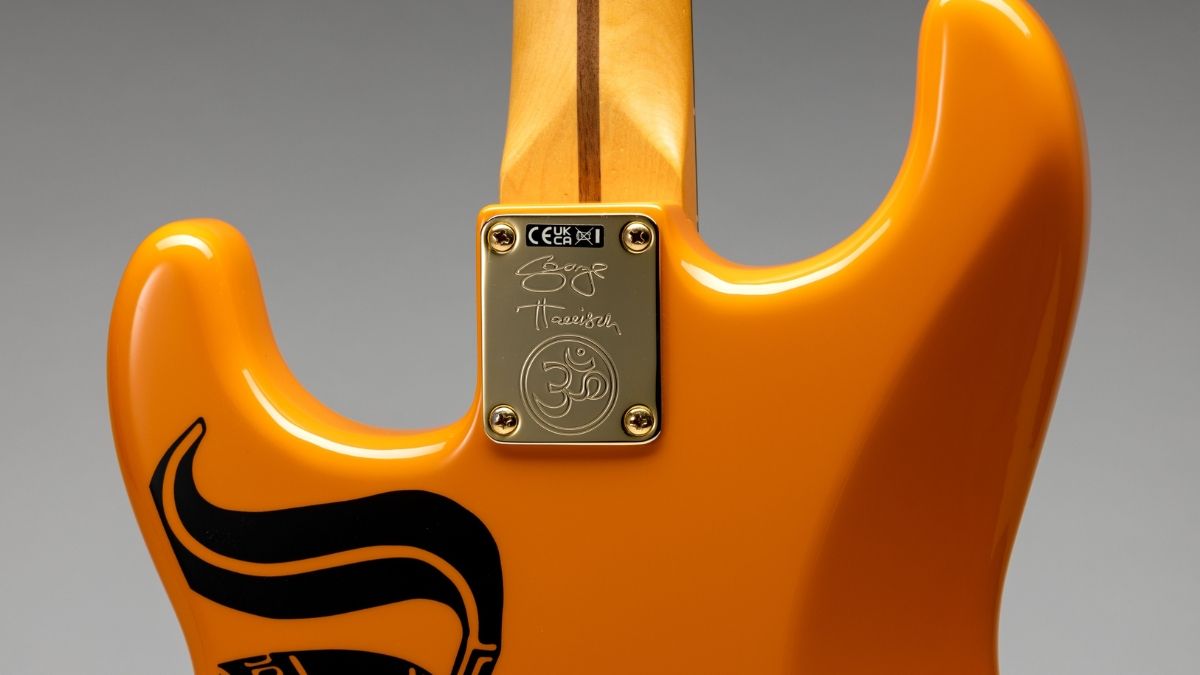
Fender’s George Harrison Dark Horse Stratocaster brings a Japan-only tribute to players
The ¥198,000 model pairs familiar Stratocaster hardware with Dark Horse Records graphics, three finishes and a tightly limited Japanese rollout.

Catalinbread Cold One turns the cult DOD Punkifier idea into a three-voice dirt pedal
The $199.99 pedal blends distortion, conventional fuzz and arpeggiating glitch fuzz, with independent controls for gain character and balance.

Neko puts real-time stem separation, amp modeling and recording in one pocket guitar rig
The crowdfunded Neko device combines local AI song splitting with neural amp captures, effects, recording and wireless guitar connections.
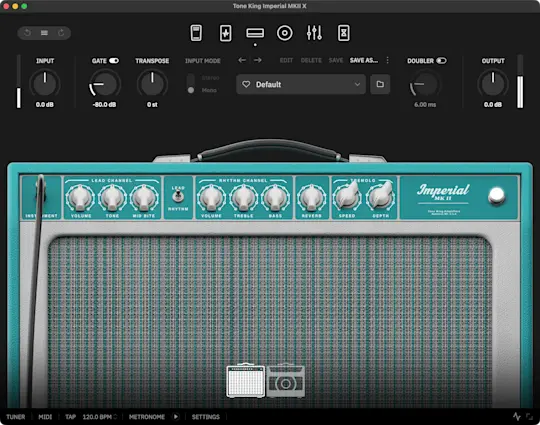
Neural DSP expands Tone King Imperial MKII X with pitch shifting, stereo width and deeper preset tools
The free X update keeps the modeled amp unchanged while adding Transpose, Doubler, 120-plus presets and a redesigned workflow.