Dre DiMura maps power chords from doom-metal weight to funk and soul shimmer
A new video-backed lesson treats the root-and-fifth shape as a full-neck arranging tool, with four fretboard zones and genre-specific applications.
· Edited by Peter Luha

Credit: Tom Hill/WireImage/Getty Images (via source)
Power chords are often introduced as a beginner shortcut, but Dre DiMura’s new Guitar World lesson treats them as a complete arranging system. The video-backed guide begins with the familiar root-and-fifth dyad, then maps how its weight and function change as the root moves from the sixth string to the third. That shift turns one simple interval into four distinct fretboard zones with different registers, fingerings and musical jobs.
The low-string zone covers the dense, palm-muted language of doom, metal and hard rock. Moving the root to the fifth string produces the brighter snap heard across classic rock, alternative music and pop-punk. On the fourth-string zone, DiMura adds inversions, add9 colors and major-seventh movement that connect the basic shape to polished AOR and yacht-rock harmony. The highest zone uses sliding fourths and compact double-stops for funk, R&B and neo-soul comping.
The lesson also explains why power chords remain clear under heavy gain. Removing the third makes the voicing harmonically neutral, while limiting the note count reduces the clashing overtones that can make full six-string chords sound unfocused through distortion. DiMura extends the idea with flat-fifth tension, sus2 colors and inverted shapes, showing how a player can keep the physical economy of a power chord without repeating the same sound.
Crucially, the source page contains the full lesson video and time-stamped sections, not just static diagrams. Players can move from open and movable forms into four worked musical examples, hearing how the same construction changes character across the neck. The result is useful for beginners learning the shape and for experienced rhythm players looking for more deliberate register choices.
Credit: Dre DiMura
Why it matters
The lesson turns a supposedly elementary shape into a practical framework for voicing, gain management and arrangement across multiple genres, with a complete video embedded in the source.
From Guitar News to Guitar Progress
Discover it here. Learn how it works. Practice it until it's yours.
“Take a simple melody and harmonize every note with a chord. Every melody note has a chord underneath it.”
Related
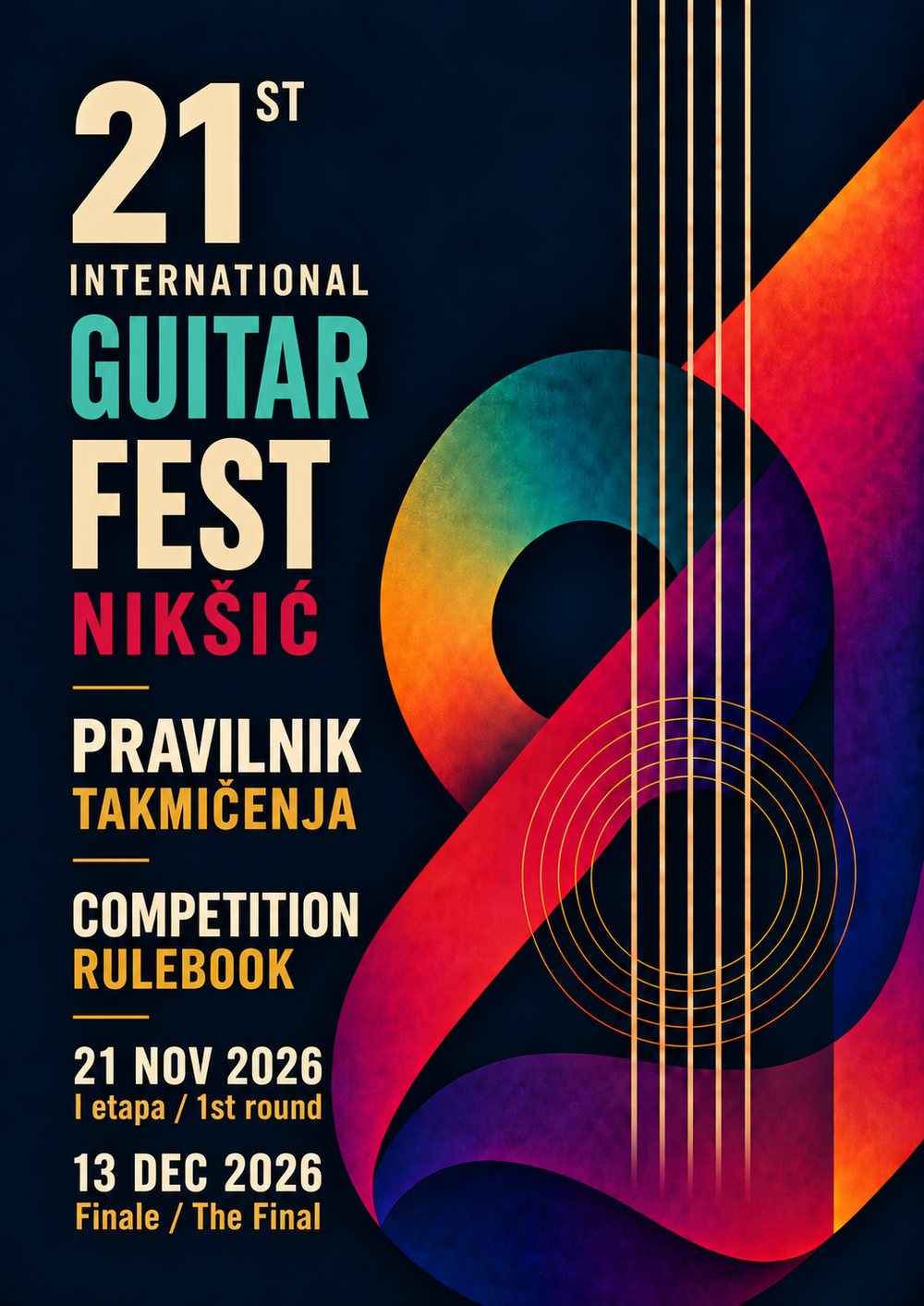
Nikšić Guitar Festival keeps its 2026 PRO competition open through November 13
The classical-guitar contest has an online first round, a live televised final and a €4,000 concert guitar as its first prize.

Rob Harris brings an all-levels guitar workshop to Istanbul on November 8
The Jamiroquai guitarist’s Komünite session combines playing, recording discussion and a live performance, with standard tickets at ₺1,500.
Brussels guitar composition competition closes its first deadline November 4
The international call offers €1,500, a 2027 performance and possible publication for a new seven-to-eight-minute classical-guitar work.
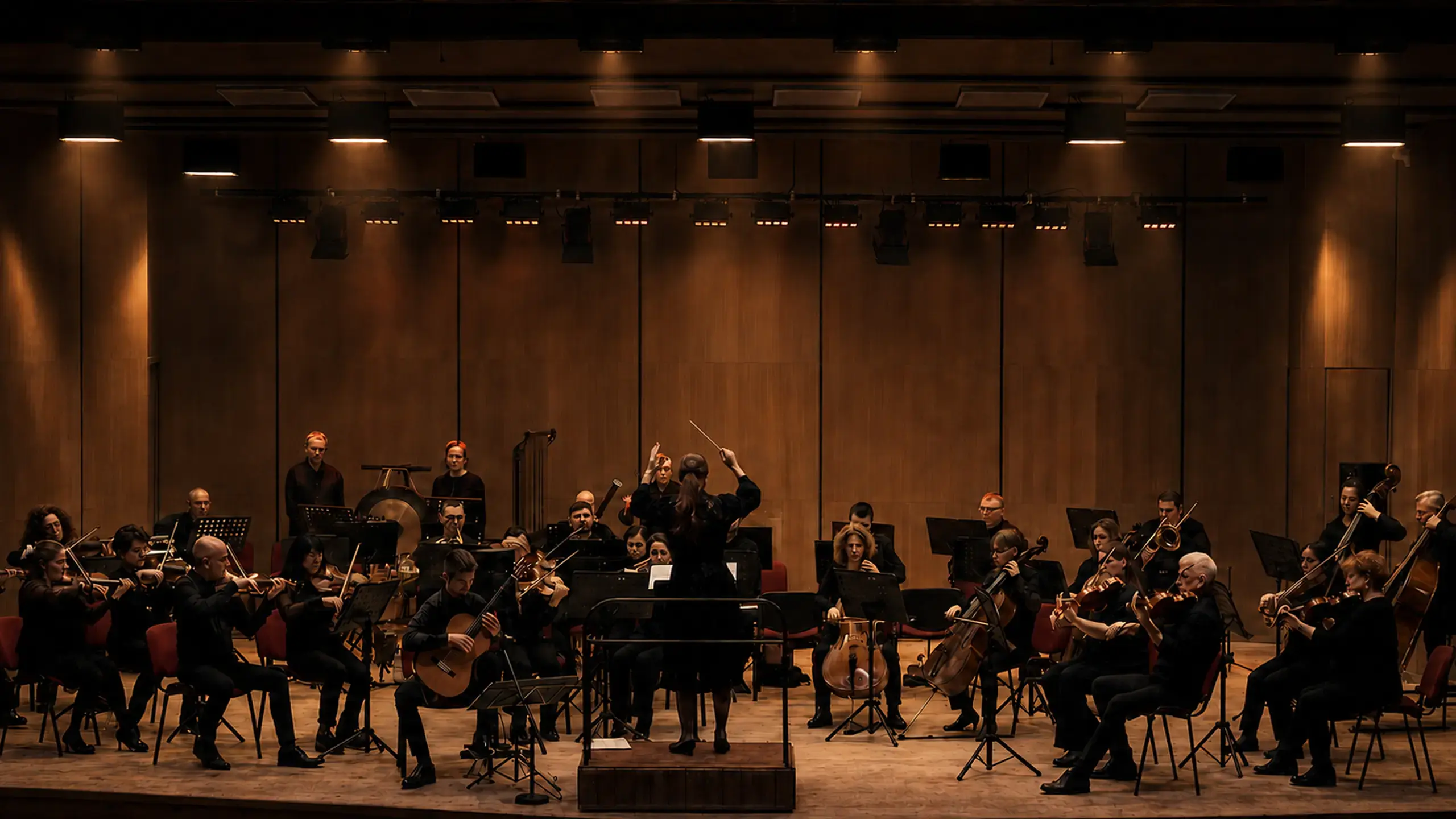
Pleven Guitar Festival opens late competition registration through November 15
The Bulgarian festival's final entry window covers classical soloists, chamber groups, ensembles and orchestras, with a 30 percent late fee.